
saurabhp5927337
Participant
September 1, 2018
Answered

Photos look different on my phone compared to photos on the computer.

  • September 1, 2018
  • 12 replies
  • 138738 views

Hi Guys,

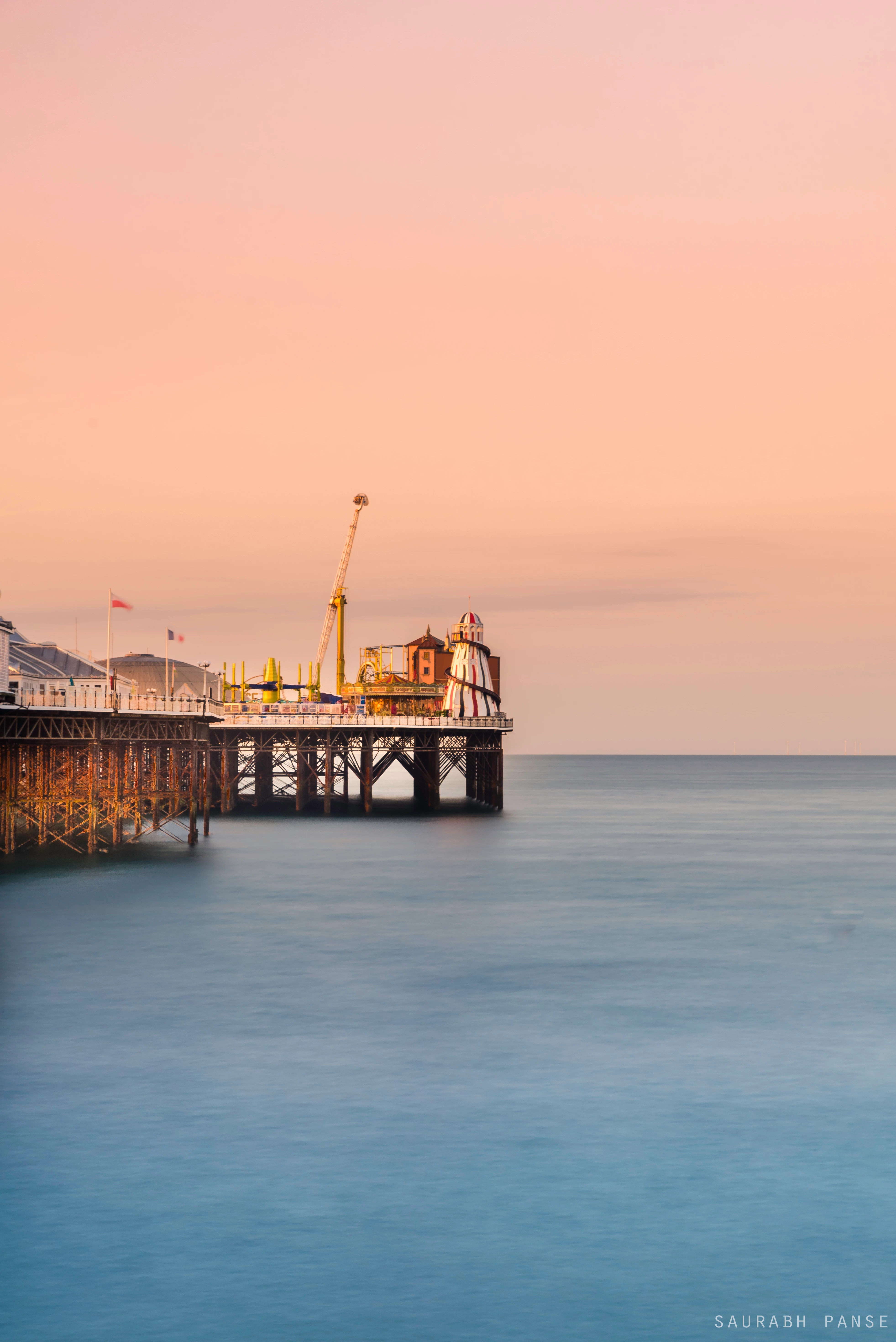
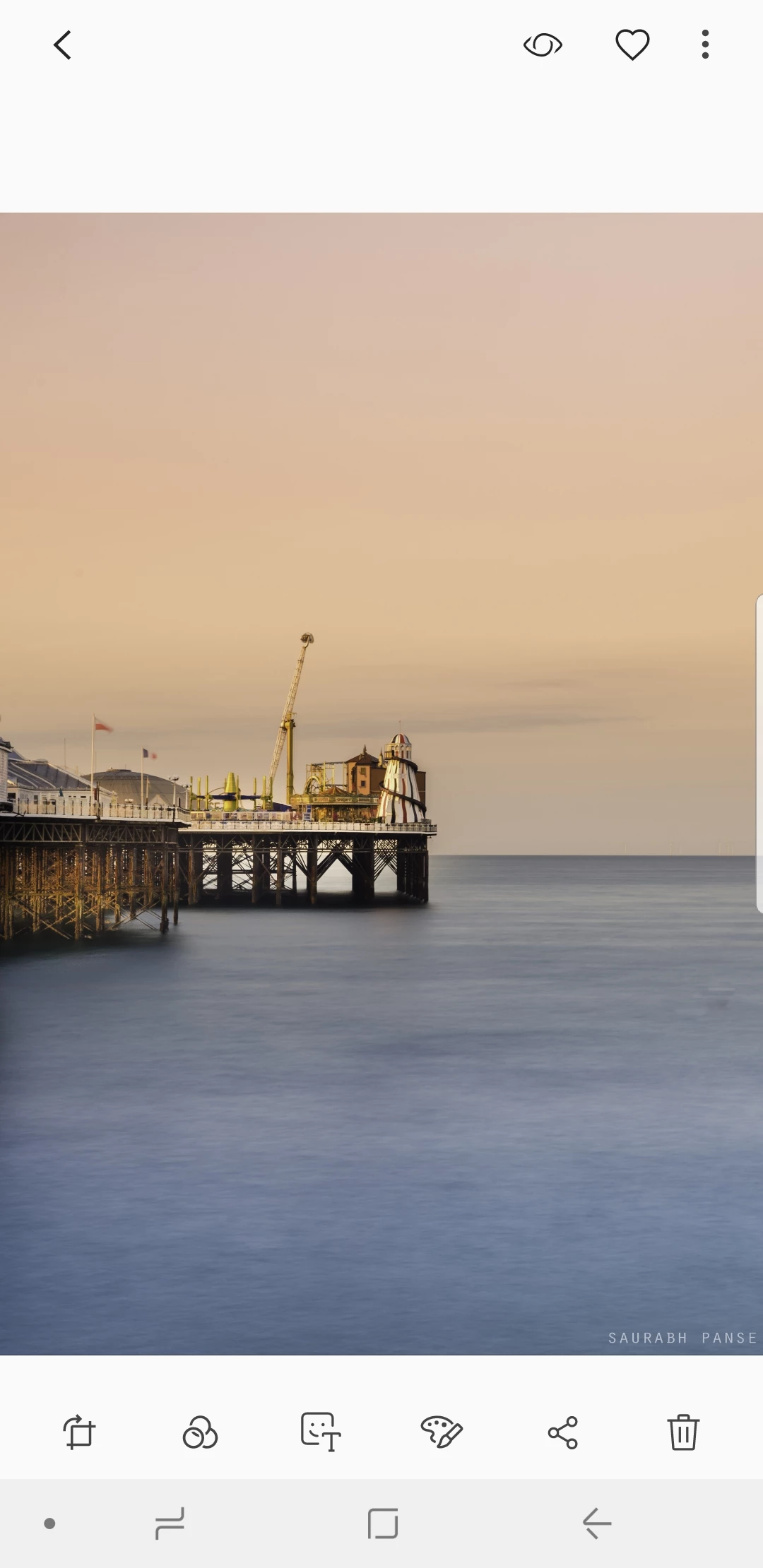
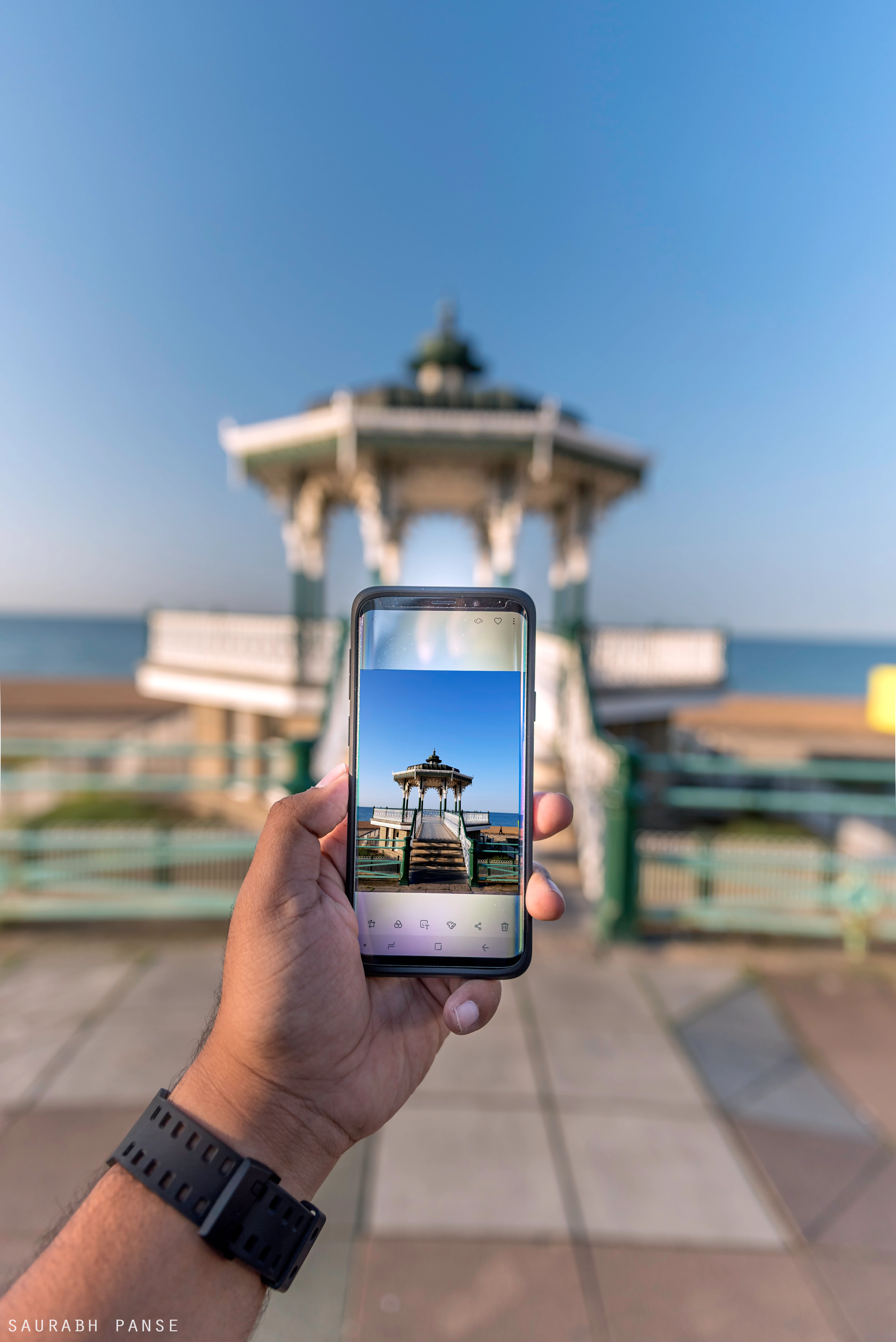
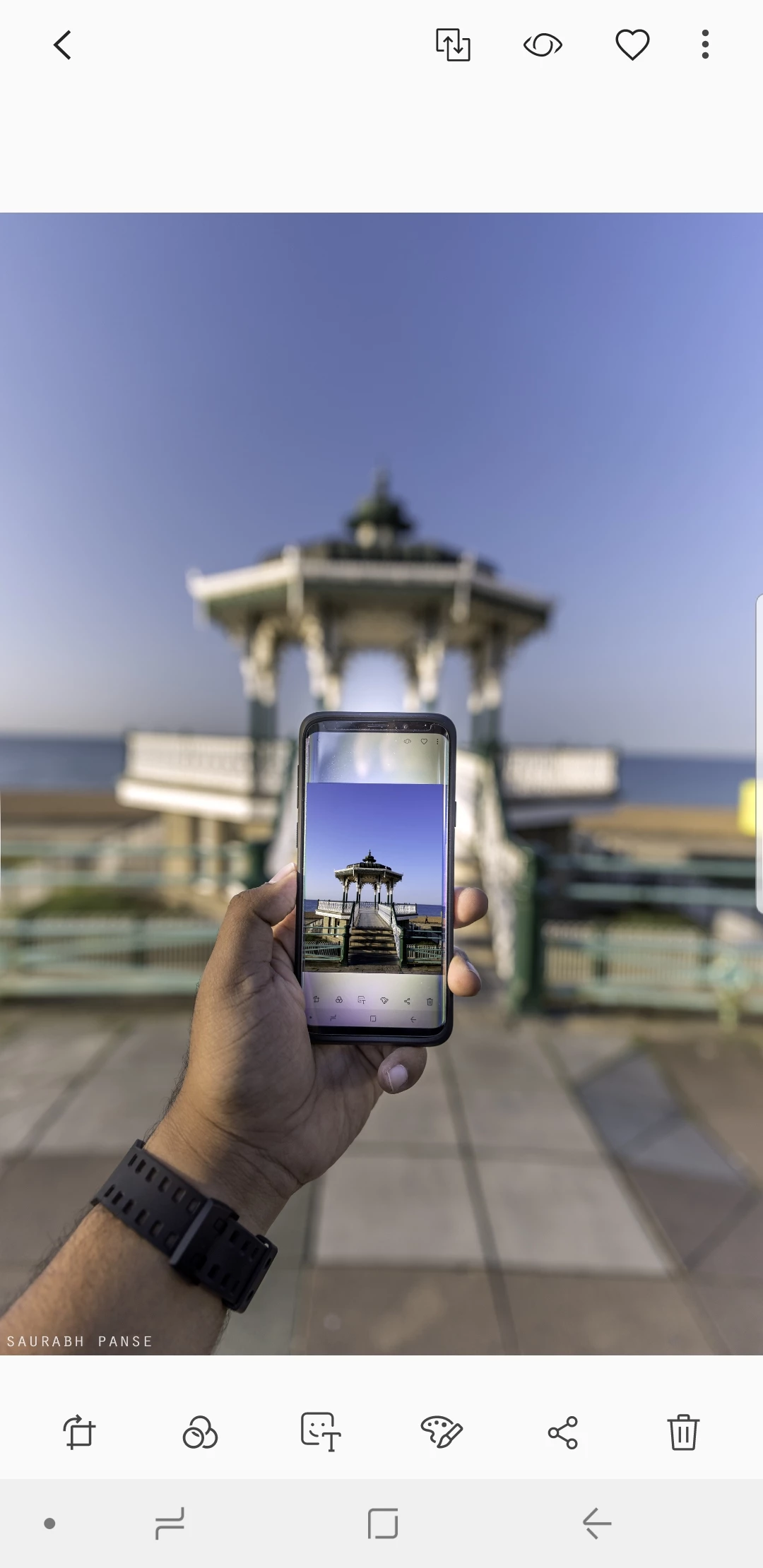
I edit my photos in either Lightroom or Photoshop. The photos look vibrant and colourful on my PC, as per the editing I had done. But when I save these photos in my S9-Plus, they look colourless and weird.

Can someone please help me here? Do I have to save the files differently once I edit the photo in Photoshop or Lightroom?

Example 1 -

The photo on PC -
Photo/Screenshot from my Samsung S9Plus -
---------------------------------------------------------------------------------------------------------------------------------------------------------------------------

Example 2 -

The photo on my PC -
Screenshot from my Samsung S9Plus-
This topic has been closed for replies.
Correct answer davescm

Hi

The explanation is in the way colours are stored in the image. Each pixel stores the colour as three numbers representing Red, Blue and Green. However what actual colour is represented by each number depends on the colour profile. Your original document is using a profile called ProPhoto.

Photoshop is colour managed. It uses the color profile embedded in the document to tell it how to use the RGB numbers that make up each pixel and correctly display it on your monitor (using the monitor color profile stored in your system).

Many applications (including phones) are not colour managed and just send the raw numbers to the display.

To be safe when sending an image to the web (or to an unknown device) , Export a copy of your image using "Save for Web (Legacy)" and ensure that both  "Convert to sRGB" and "Embed Color Profile" are checked. That way if the other device is colour managed it will use the profile. If it is not , then sRGB will display close to correct on many devices.

Dave

12 replies

D Fosse
Community Expert
Community Expert
September 1, 2018

Another example of why having ProPhoto as default for Lightroom's "Edit In Photoshop" is a monumentally bad idea. Why can't it be sRGB, so that newcomers don't get into this trouble time and time again?

Those who need or want ProPhoto will know how to get it. They are experienced users who waste no time in changing most of the default settings anyway.

John344785627jva
Participant
January 7, 2024

The default setting of ProPhoto for Lightroom's "Edit In Photoshop" has proven to be a problematic choice, exemplifying the challenges that newcomers often face. It would be more practical to have sRGB as the default, minimizing issues for those less experienced with the intricacies of color spaces. Users who specifically require ProPhoto are typically seasoned and adept at adjusting settings according to their needs, making it unnecessary for ProPhoto to be the default setting. Choosing sRGB as the default would promote a smoother workflow for beginners and reduce the likelihood of recurring problems.

davescm
Community Expert
davescmCommunity ExpertCorrect answer
Community Expert
September 1, 2018

Hi

The explanation is in the way colours are stored in the image. Each pixel stores the colour as three numbers representing Red, Blue and Green. However what actual colour is represented by each number depends on the colour profile. Your original document is using a profile called ProPhoto.

Photoshop is colour managed. It uses the color profile embedded in the document to tell it how to use the RGB numbers that make up each pixel and correctly display it on your monitor (using the monitor color profile stored in your system).

Many applications (including phones) are not colour managed and just send the raw numbers to the display.

To be safe when sending an image to the web (or to an unknown device) , Export a copy of your image using "Save for Web (Legacy)" and ensure that both  "Convert to sRGB" and "Embed Color Profile" are checked. That way if the other device is colour managed it will use the profile. If it is not , then sRGB will display close to correct on many devices.

Dave

Participant
August 20, 2020

Hi

I have started using lightroom classic and photoshop recently . I noiced that when i export photo to my windows it looks same but when i export it to my phone , the saturation was increased . The photo was in Srgb format. Please help me what is the solution

davescm
Community Expert
Community Expert
August 20, 2020

You don't have to be concerned about factory calibration because it's utterly moot! And there is measurement data I've seen and have been published that show multiple iOS displays of differing kinds well below JND. Some iOS devices are OLED, some differ, device drift has nothing to do with the ability of an OS to be color managed. 


The facts are, iOS IS color managed and has been maybe since day one but for a very, very long time. 


You can buy a Mac today and it's OS is color managed. You can hook any display up to it, the OS is still color managed. You can take an iMac out of the box, it's color managed and in all the above cases, the user never HAS to calibrate and profile that display, a profile exists and more importantly, that OS IS color managed. One doesn't have to calibrate and profile a display to make the OS color managed; it either is or it isn't. All that's required is an OS that recognizes a descriptor for a display (right or wrong, EDID  or otherwise) and the scale of the numbers in a document via it's embedded profile (or without, make an assumption, usually sRGB). That color managed OS then produces a color managed preview with that data (display using monitor compensation). That preview may or may not be ideal, but it is color managed. And that's how iOS works and again, it is fully color managed. 


Should user calibrate and profile their displays? That's another discussion and has nothing to do with whether an OS is color managed or not. 


As to your statement about iOS and Android, it's not fully accurate and further, if you look, Android (which I have no desire or knowledge of IS supposed to be getting (or has recently had) OS color management:


https://medium.com/google-design/android-color-management-what-developers-and-designers-need-to-know-4fdd8054557e


This statement is partially correct (well all phone's who's OS isn't color managed) and partially wrong:


"Until phone manufacturers start color managing their images (neither Android nor iOS do) then you will never get a match."


Haha.

Let me re-phrase in tbe light of the iOS info provided by Andrew, Some phones operating systems are colour managed, some are not. Most, I don't know of any that do but there may be exceptions, do not have the ability to individually calibrate and profile their displays. Either of the above can lead to inconsistency which can in turn lead to a mismatch even if the images are well within the gamut of the displays.


Do I use a phone? Yes. Do I look at photos on a phone? Yes. Would I expect a match to my Eizo monitors - No. Would I carry out image adjustments on a phone - No.


Feel free to argue semantics but a colour managed system without a display that can be either individually re-profiled (for an ICC workflow) or finely re-calibrated ( for a video workflow), in my view, is not effectively managing its colour.


Dave