angieh93190169
Participating Frequently
April 19, 2017
Answered

Creating a stamped grainy appearance

  • April 19, 2017
  • 3 replies
  • 5111 views

Hi guys! Ok I am looking to make a simple object that is currently filled with black.....To be specific a black silhouette of a wombat. I am creating a repeating pattern but I need my black wombat image to look like a stamped effect.....So that it has some transparent holes etc that allows the bottom colour of the fabric to come through. Like a washed out texture. I have experimented with the effect gallery grain texture but it puts a white speckled overlay and not transparent. I also tried using a charcoal brush that made a scattered speckle look but once again this was over the top of the wombat and you cannot make a transparent brush! I then tried manually to make a scattered of holes throughout the image with the eraser...It looked awful. I wish I could attach a picture of the effect I am after. I basically want the wombat to appear washed out or like it has been stamped with the fabric colour showing through randomly throughout the wombat object.  My other option would be to create a rubber stamp myself of the wombat....Dip it in stamp ink....Stamp away until the third or fourth stamp looks faded etc with not enough ink....Then scan that in! But I don't have a stamp!! Want to create this look digitally. Even a washed out water colour look......But it needs to add transparency to my current object.....Not a wash over the top. My goodness this sounds so confusing. Good luck people!!

    This topic has been closed for replies.
    Correct answer carlosgarro

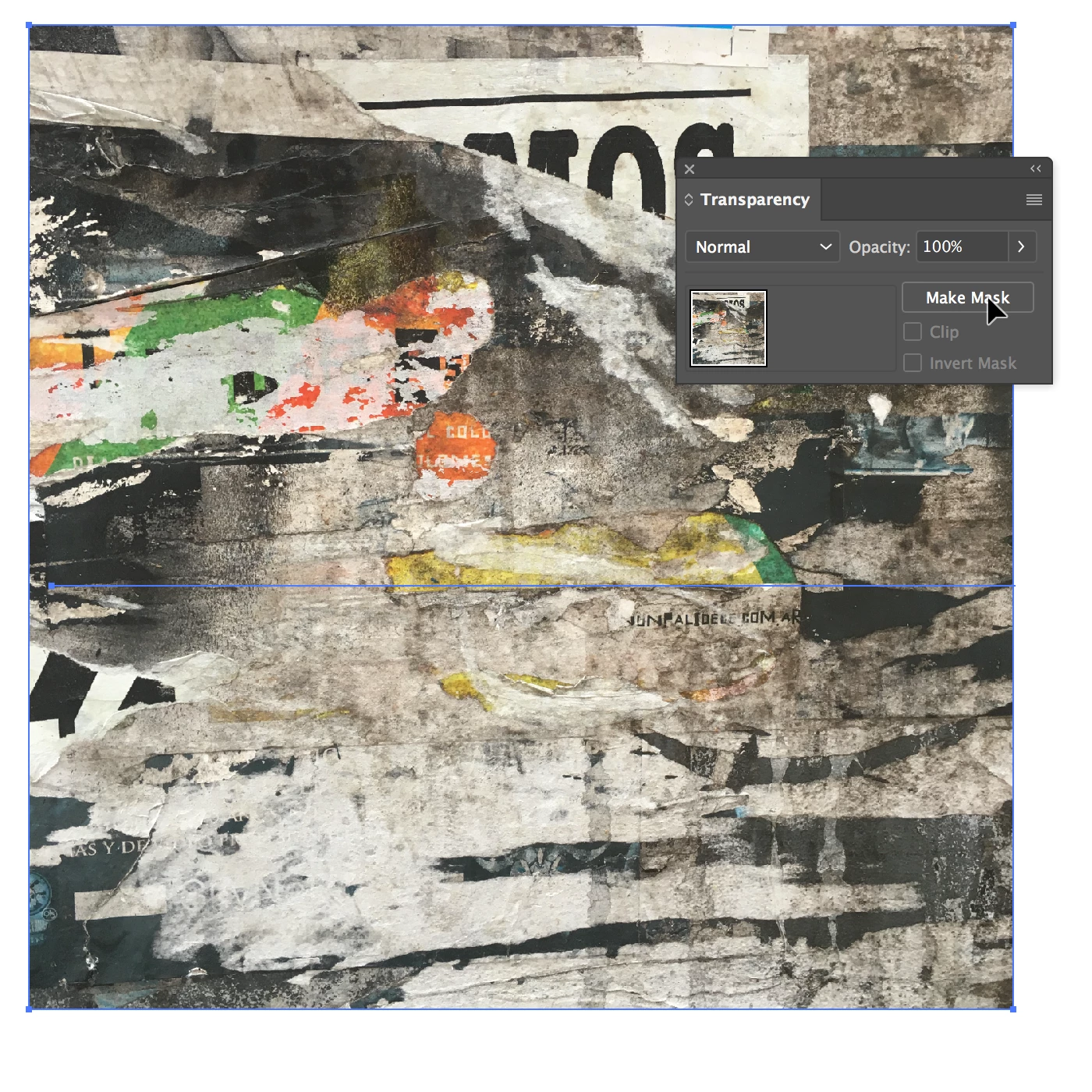
    Also, you can use an image as an opacity mask.

    I place this image

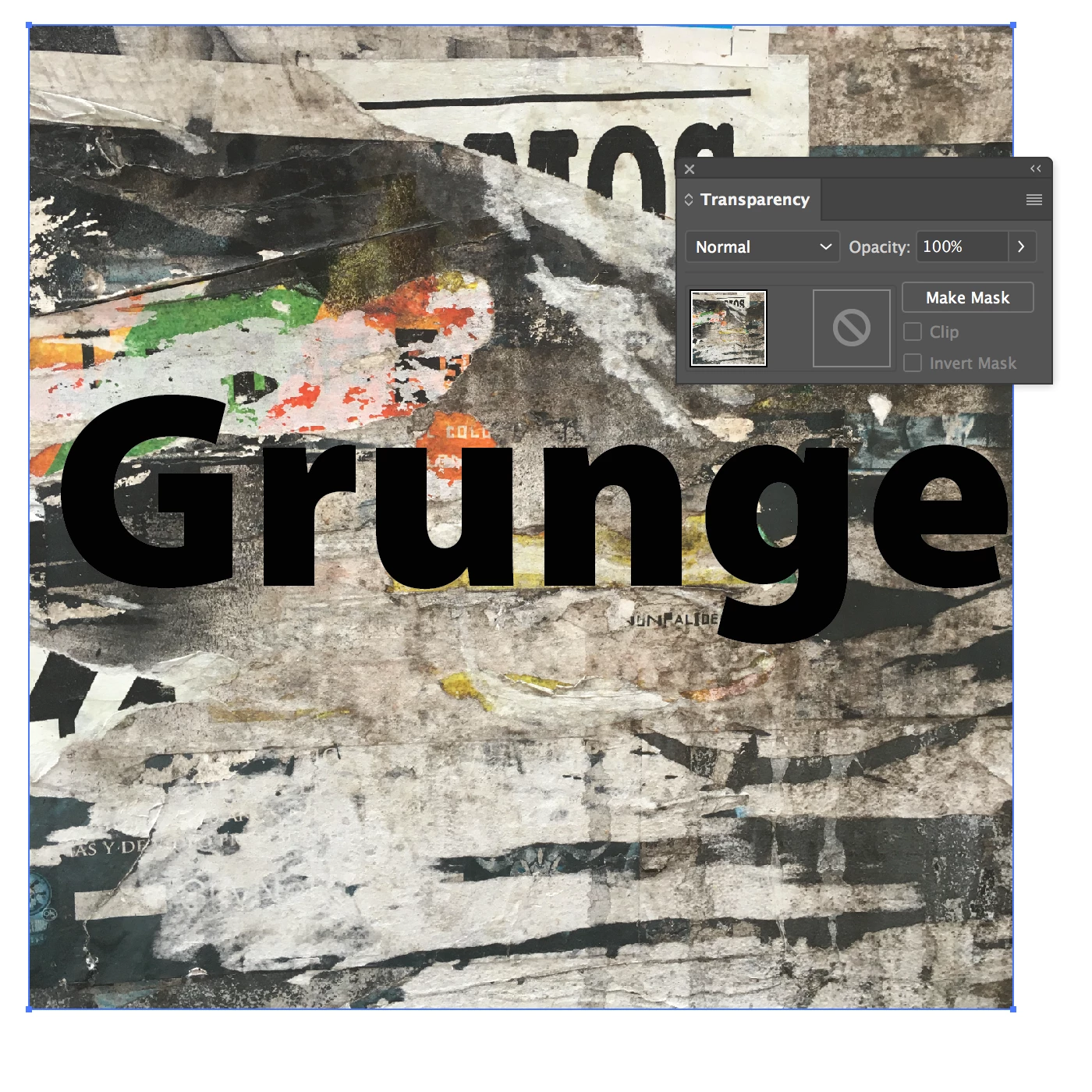
    Then I moved the text behind the photo >>

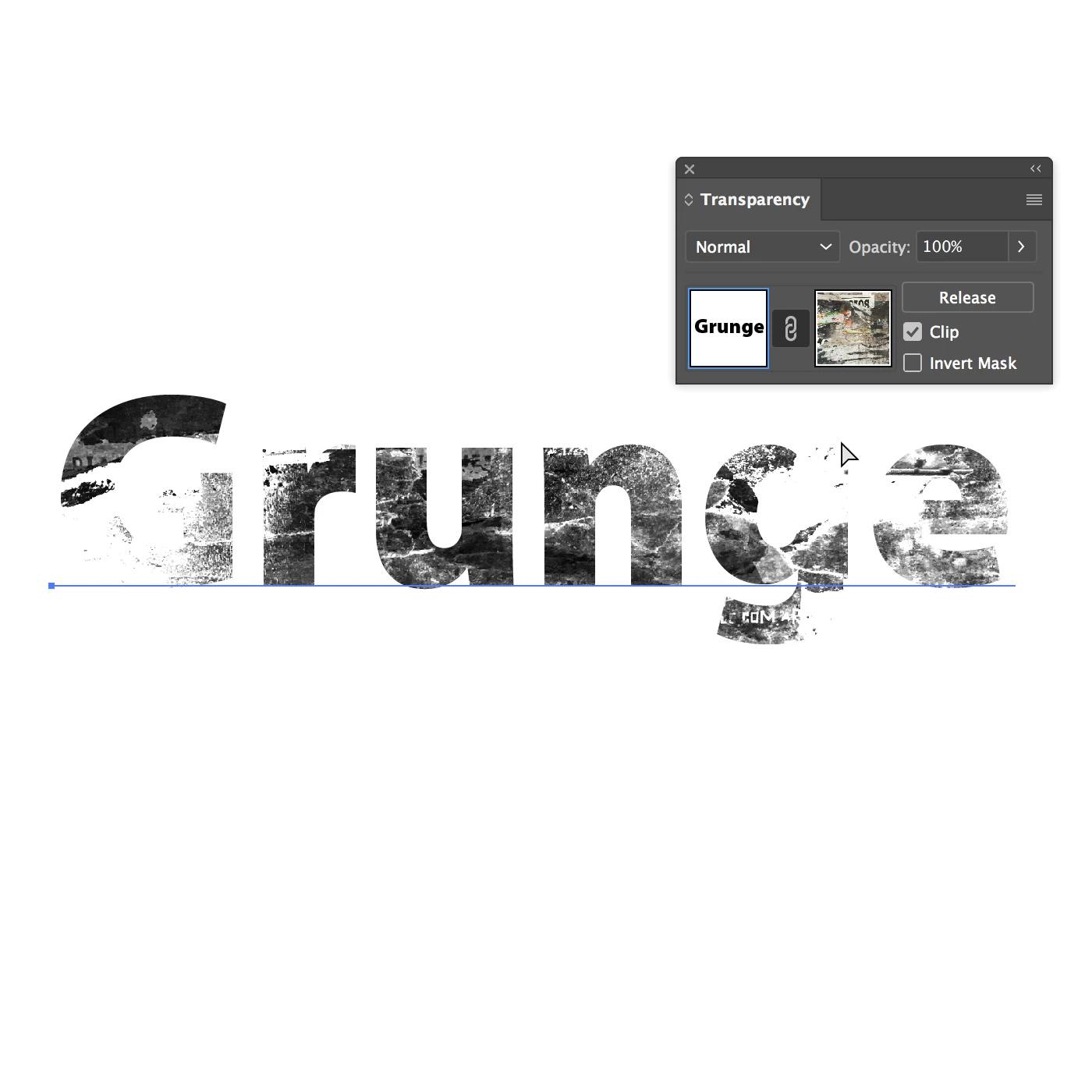
    Select both objects and in the Transparency Panel click the "Make Mask" buttom.

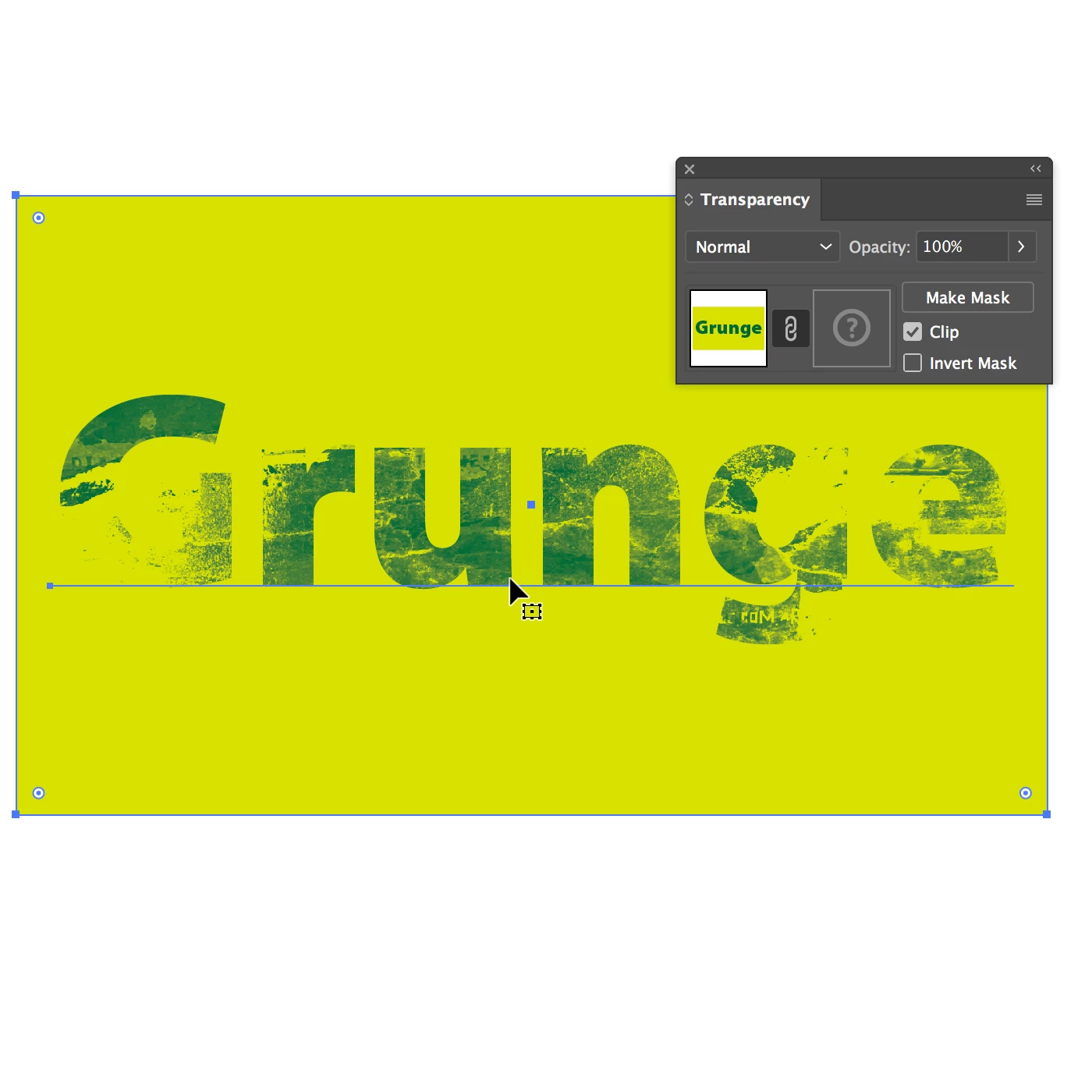
    You can change the color of the text without problem

    Highly recommend this plug-in to control textures in Illustrator: Texturino - Astute Graphics

    Best Regards

    3 replies

    Doug A Roberts
    Community Expert
    Community Expert
    April 24, 2017

    and then make an opacity mask, usually.

    carlosgarro
    Community Expert
    carlosgarroCommunity ExpertCorrect answer
    Community Expert
    April 19, 2017

    Also, you can use an image as an opacity mask.

    I place this image

    Then I moved the text behind the photo >>

    Select both objects and in the Transparency Panel click the "Make Mask" buttom.

    You can change the color of the text without problem

    Highly recommend this plug-in to control textures in Illustrator: Texturino - Astute Graphics

    Best Regards

    Inspiring
    April 19, 2017

    And that's why you're an ACP!

    I've used the opacity mask before but usually to use a vector gradient as a mask, never thought to use an image before! Awesome.

    carlosgarro
    Community Expert
    Community Expert
    April 19, 2017

    Thanks!

    Inspiring
    April 19, 2017

    to do this i normally use what would be called a 'grunge' texture, you can find plenty of free ones online. there will be some free vector textures, that will be really heavy work for Ai to use, but if youre design is small you can use that to directly fill your shape, or use your shape and the vector grunge texture along with the path finder tools, to chop out your design from the grunge.

    you may get better results by using your ai vector design and taking it into photoshop, you'll have more control over the rough look and blotchy appearance etc.

    if you can't find a decent texture, you can place an image (you'll definitely find a good grunge texture as jpeg online) then you can use the image trace function to create your own vector grunge.

    all in all, test your design and cutting / fill results using a simple shape first to ensure you are using the right option, 'minus back' 'intersect' etc from the pathfinder palette, hen you won't be waiting ages for it to process, only to see it chopped the wrong part and left the waste behind for you.