Another way to understand the difference:
The result of a clipping mask is controlled by the opacity of the pixels on that layer. (If you’ve used an Opacity mask in Adobe Illustrator, it’s similar to that.)
A blending mode does not depend on opacity, it depends on math applied to the color values of the layer and the layers behind it. This gives you more options for how you want the layers to combine. Depending on the blending mode you choose, the layer could combine with the layers behind it using addition, subtraction, multiplication, division, or other formulas. This can make the resulting combination lighter, darker, with more or less contrast, more or less saturation, tinted, inverted, etc.
@MahaB82A wrote:
Either clipping mask of a image or blending mode of screen gives the same result.
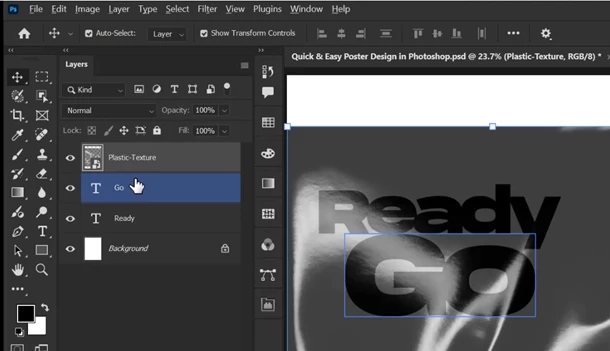
No, your attached video shows that is not true. If you look more closely, the results of the clipping mask are different than the results of any of the blending modes you applied. And, the results of each blending mode are different than the other blending modes you tried. If the images were color, all of these differences would be more obvious.




 AdChoices