Participant
April 29, 2024
Answered

a question when using luminosity blending mode, it presents different results in 16 bits and 32 bits

  • April 29, 2024
  • 1 reply
  • 345 views

(sorry I didn't learn English well please pardon my English ;w;)

This is my layer 1 and 2:
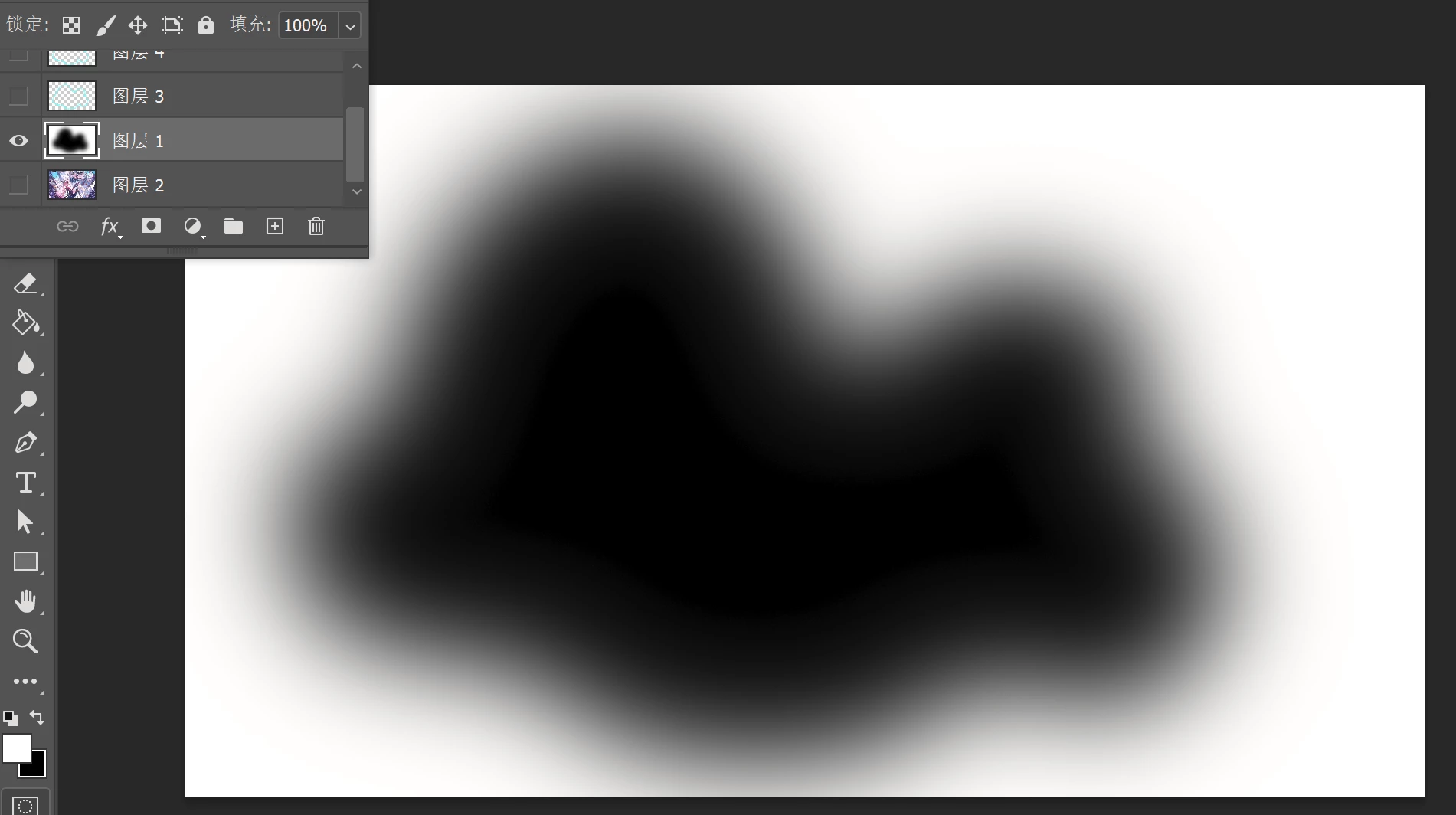
(This painting is from Pixiv, not mine)

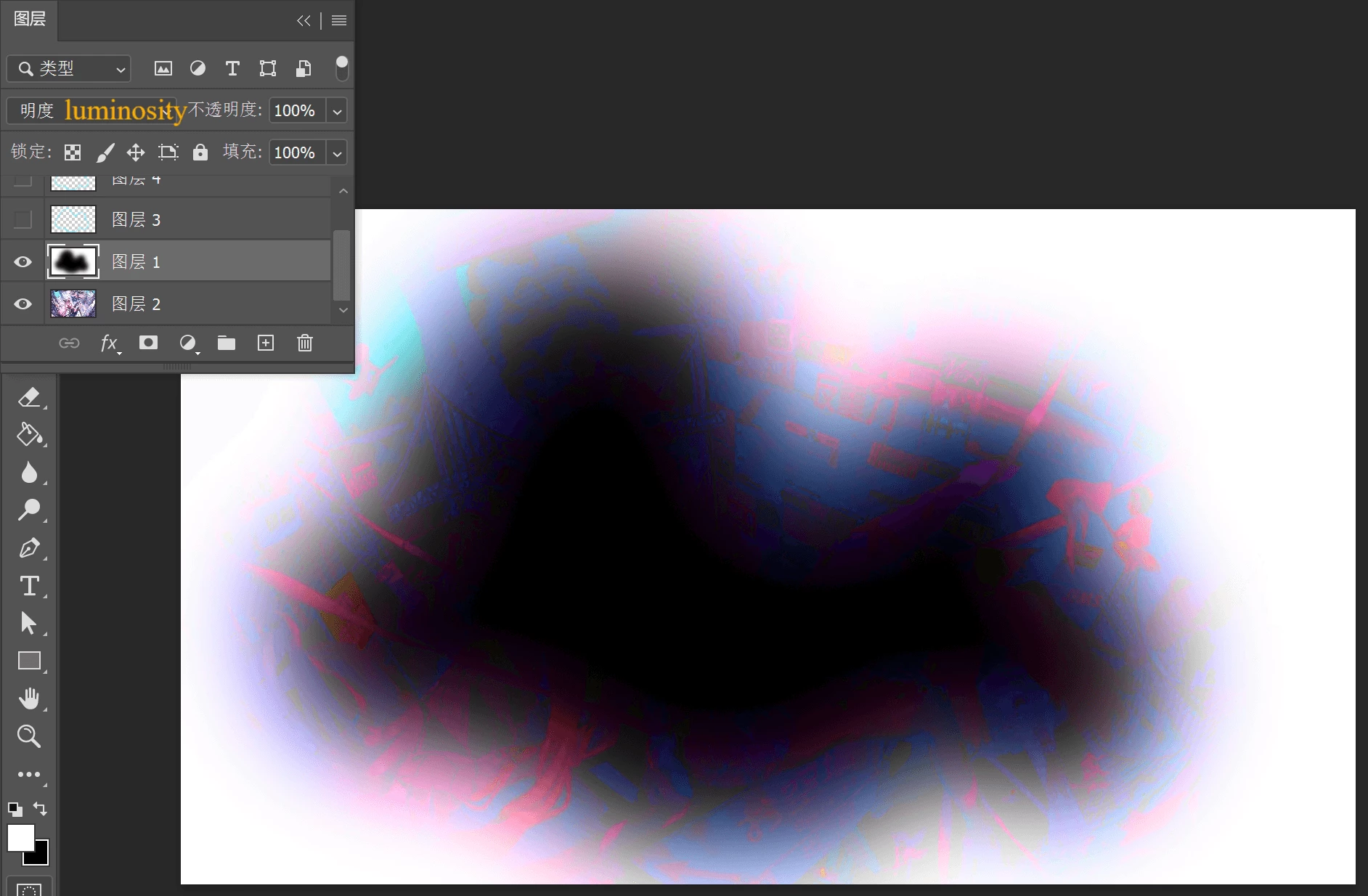
In 16 bits mode I tried to use luminosity mode in this layer to create an effect, but it turned out to be like:
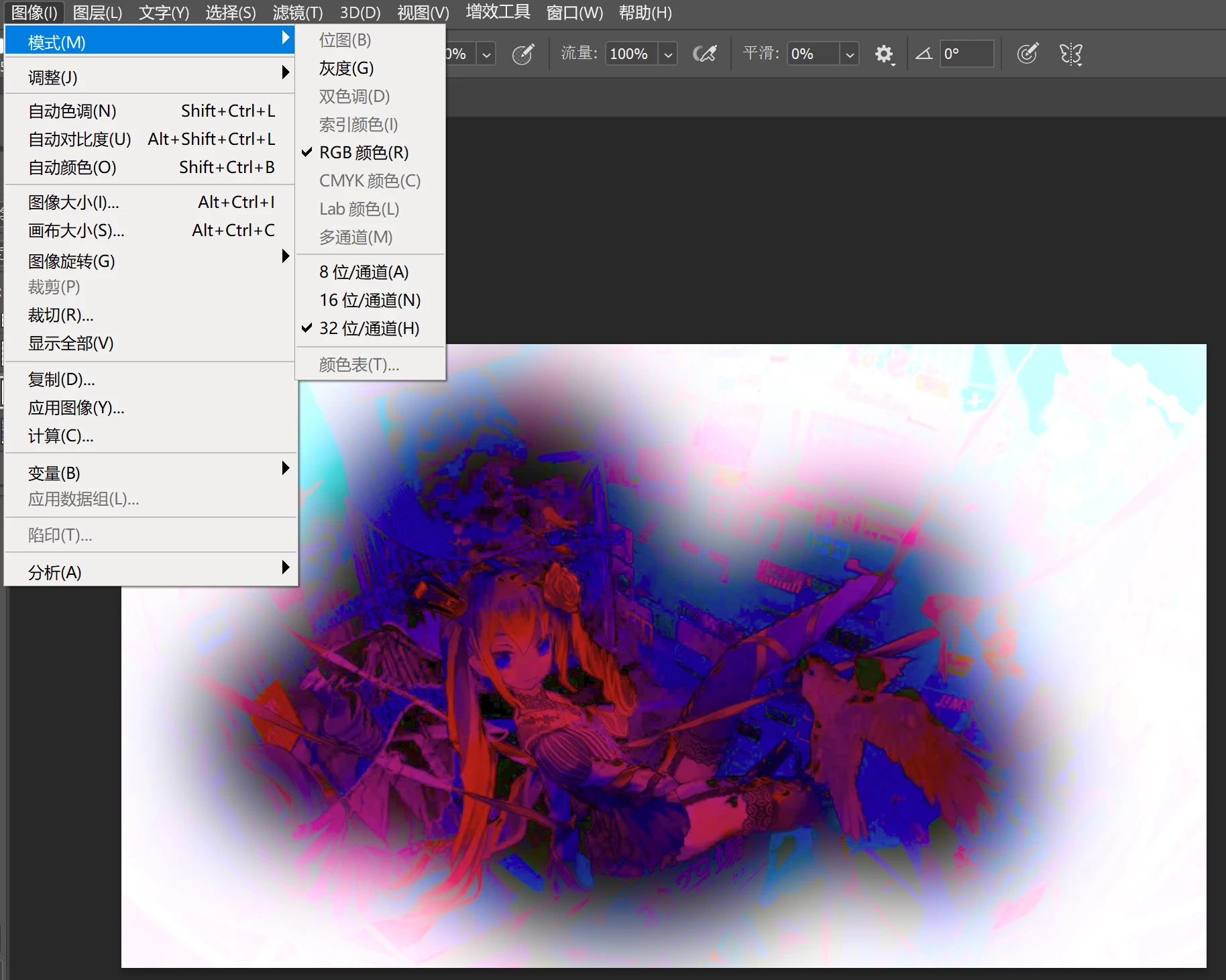
but when I switch to 32 bits mode, it looks much better:
I'm trying to figure out why this is the case. What are the possible reasons that could have caused this?

This topic has been closed for replies.
Correct answer D Fosse

The 16 bit example you show is the correct and expected result with Luminosity blend mode.


32 bits per channel is linear gamma floating point data, capable of containing data above the white point and below the black point of a normal gamma encoded image. As such, luminosity blend mode doesn't really apply (or will give you a non-intuitive or unexpected result).


If the bottom example is what you want, don't use Luminosity blend mode.

1 reply

D Fosse
Community Expert
D FosseCommunity ExpertCorrect answer
Community Expert
April 29, 2024

The 16 bit example you show is the correct and expected result with Luminosity blend mode.


32 bits per channel is linear gamma floating point data, capable of containing data above the white point and below the black point of a normal gamma encoded image. As such, luminosity blend mode doesn't really apply (or will give you a non-intuitive or unexpected result).


If the bottom example is what you want, don't use Luminosity blend mode.

Legend
April 29, 2024

OP, you may want to look at this Adobe article explaining blend modes.

https://helpx.adobe.com/photoshop/using/blending-modes.html

Participant
May 5, 2024

Thanks! That's very useful.