
Artifacts Rejection Reason
Hello.
I wanted to talk about the "artifacts" rejection reason. But I want to do it IN GENERAL, not in particular (although I don't think you'll be able to abstract this issue and help me if I don't include some examples).
I've been a contributor of Adobe Stock for almost a year now (and before I was working with Fotolia for 2 years). I shoot mainly travel pictures, and I organize my batches by cities / regions / countries (you get the idea). My average rejection / acceptance rate is about 50% when taking into account all of my history; it's easy to ascertain this value by comparing my Adobe Stock with other "more open" stock websites and check the difference in portfolio size (I submit the same pictures to all stock platforms).
Sometimes I submit a batch of a new city and I get almost 100% of rejected pictures due to ARTIFACTS. Now, I'm not aware of how many different rejection reasons you have (I mean in total), but you could at least make an effort (like Shutterstock for example) and diversify the kind of feedback provided for each shot. Otherwise, you'll have to convince me that all my latest shots coincidentally have the ARTIFACTS problem. Not only that, but the actual ARTIFACTS explanation is VERY BROAD and you should split it into different reasons to help the artists. For me, it's just "too suspicious" that so many pictures have this single rejection reason in a row. I had a similar suspicion with Shutterstock for example, when they would review 50 of my pictures in a matter of minutes; again: highly suspicious.
Today this suspicious grew rather strong,when I got 27 consecutive pictures rejected for artifacts (no other reason). Don't get me wrong: I know that a lot of my pictures have artifacts. But I also know that many of them don't, or at least that's as best as my camera can shoot. Let's look at two rejected examples. If you have access to my rejected pictures through an ID, then those are IDs 200096414, 200096752 and 200095598. They are attached next (but in small sizes for security reasons):
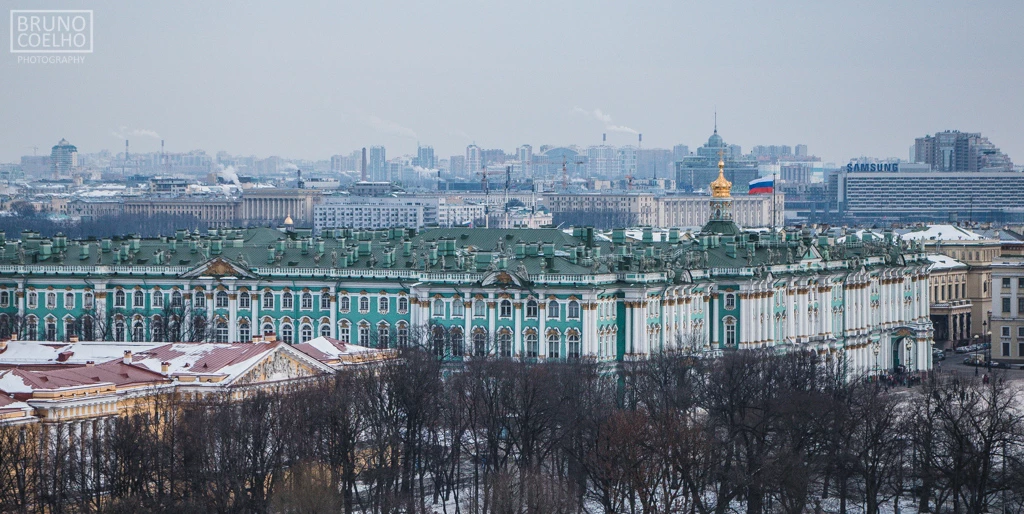
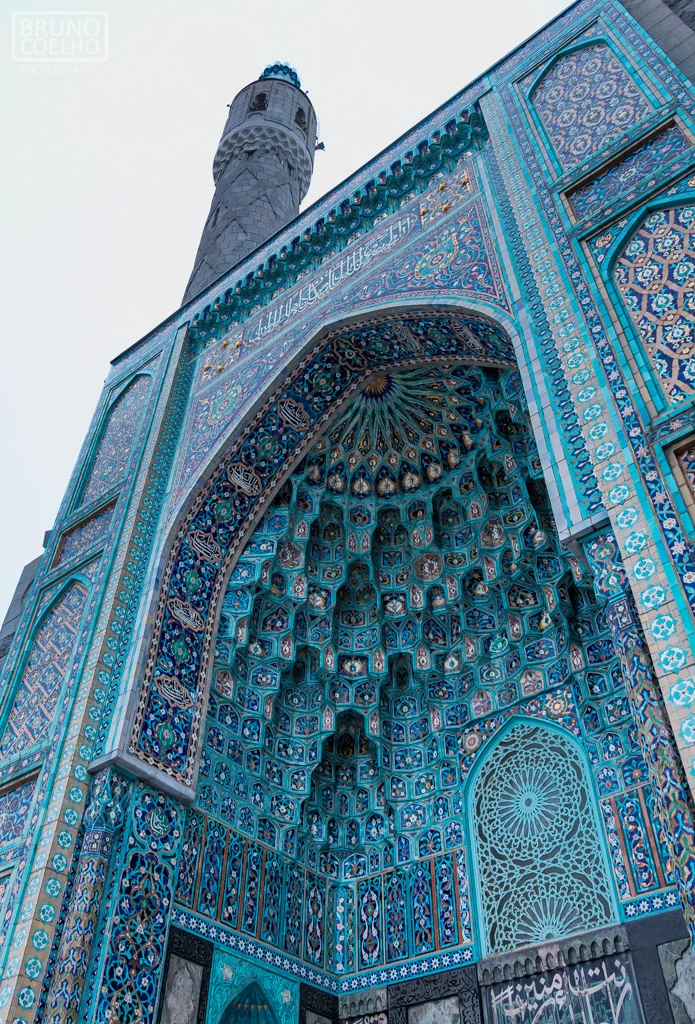
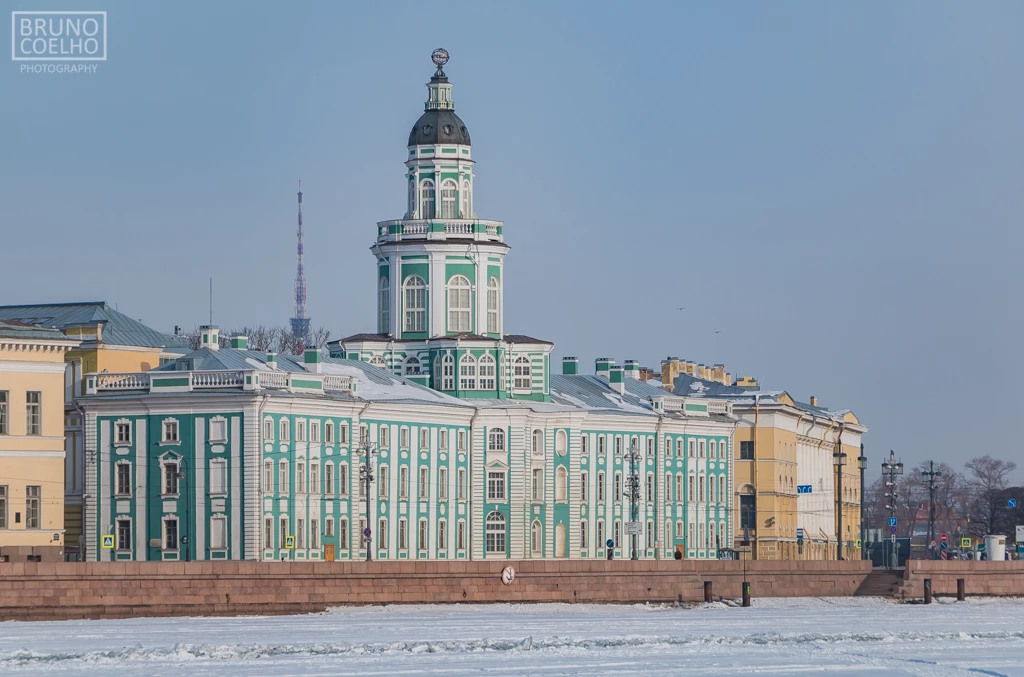
The first one is an example of something I understand may not be optimum quality. It's a picture taken from a distance, on top of another building where the wind was hitting hard and I was handholding my camera. Plus, I used a sharpness-based filter because it's good for web usage (I'm actually a bit sad because most of the shots on that vantage point turned out not very good).
The other two pictures, however, were taken on the ground, with better camera parameters (I always shoot on manual) and they don't have any filter, just manual adjustments. Now, both of these pictures are rather crisp in the middle, and they slowly become worse around the edges. That's because I have a Canon 70D with an 18-135 multi-purpose lens. This is the EXPECTED BEHAVIOR of the lens, because, sue me, I don't have a better gear (zoomed images decrease this effect). I understand that the edges are worse and believe me, I want to purchase a new lens, but if these pictures were rejected because of that reason (can't think of any other), then you're just saying that people with my gear cannot make it in this business, which is horrible.
As I said before, I DO HAVE accepted pictures in Adobe Stock, and they were taken with the exact same gear. Surely many of them aren't zoomed (I don't zoom that much anyway), so I'm bound to have pictures with the same lack of quality around the edges, but they WERE ACCEPTED (as they should, because they're still good pictures and my pictures ARE SOLD).
So how can you explain this discrepancy? How much of this ultimately rests upon the personality of the reviewer? What's your opinion on this?
Thank you.
 AdChoices