





Asset Usage and License Type Clarification for Your Information
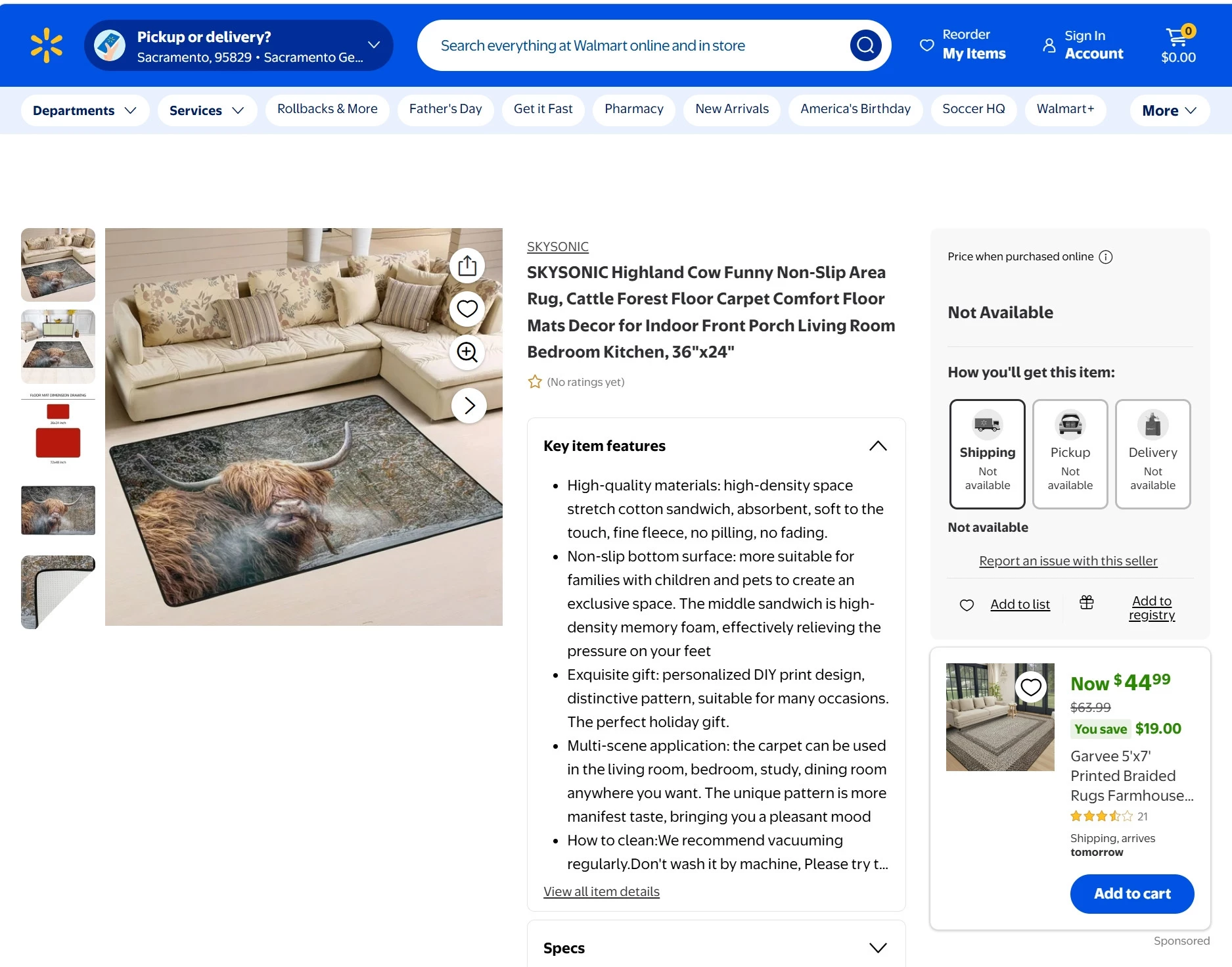
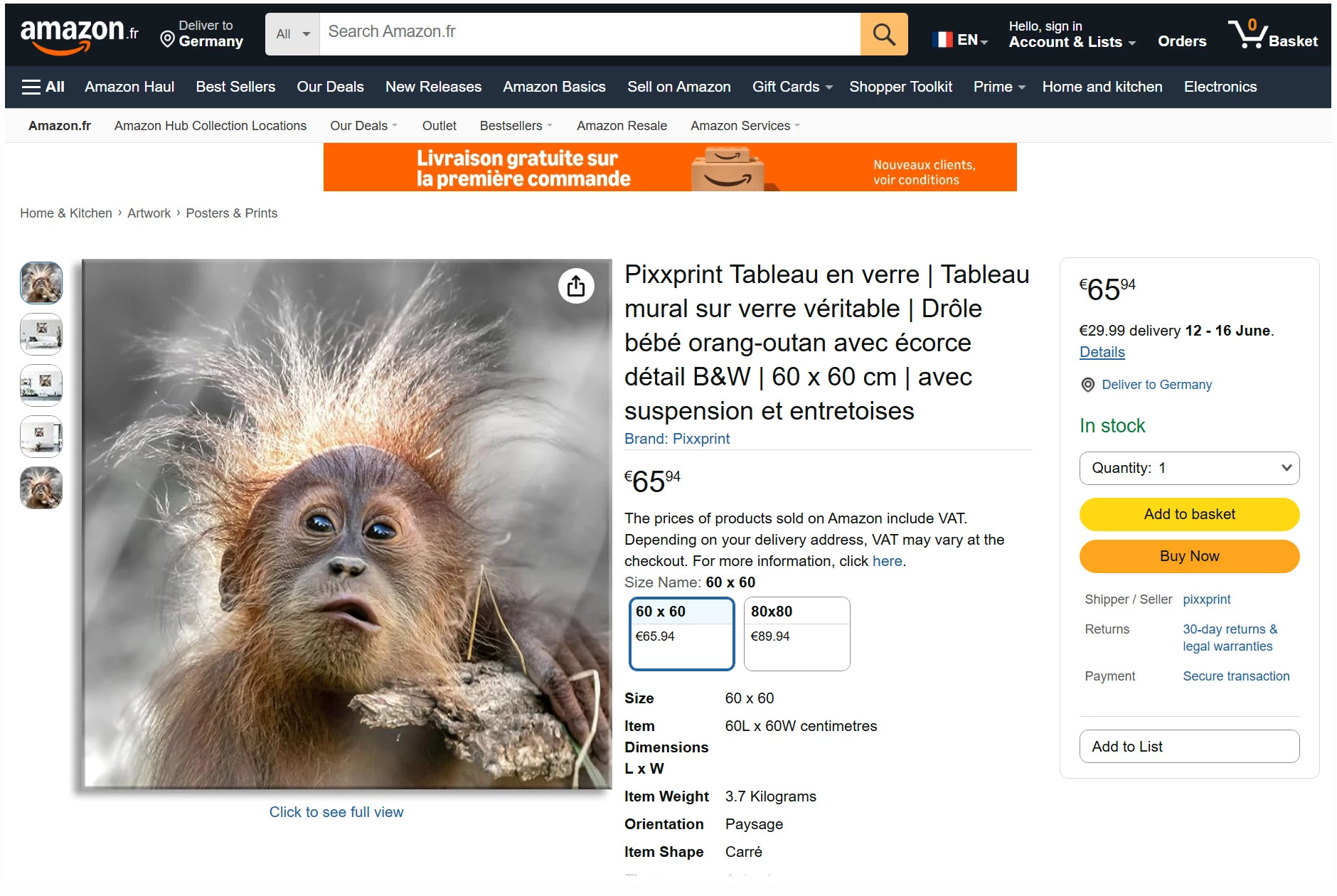
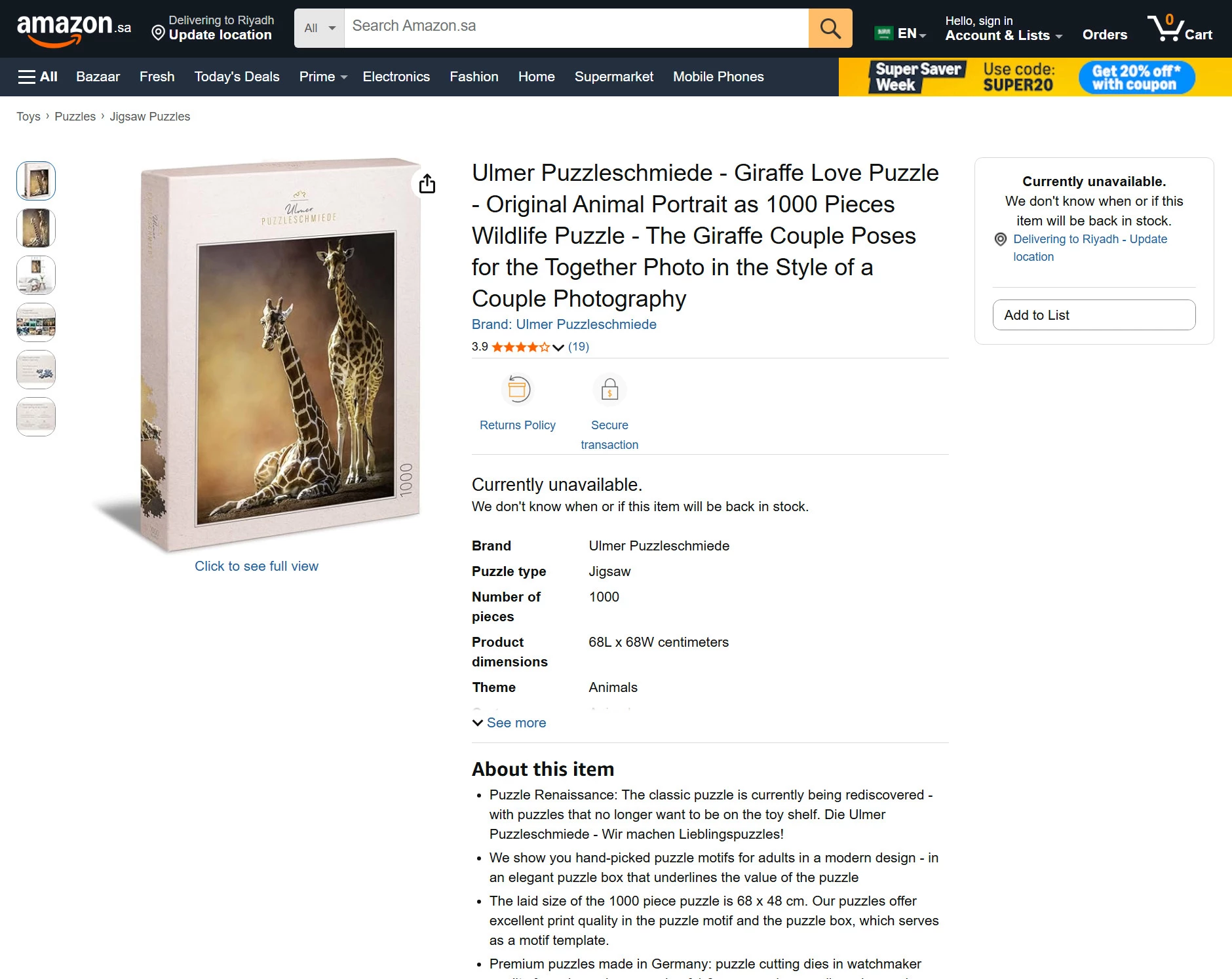
I’ve been reflecting recently on the use of my assets on Adobe Stock and wanted to start a discussion regarding licensing and merchandise. Like many of you, I sometimes see my photos appearing on products where I suspect the appropriate license may not have been obtained. See below. It can feel disheartening to see work that is licensed for very low prices being used in ways that seem to bypass the intended licensing tiers. Unfortunately, Adobe offers us as contributors no way to see if an asset has been licensed and downloaded for use on merchandise.
To clarify the Adobe Stock license terms. It’s important to note that the Standard License on Adobe Stock generally does not allow for the use of assets on merchandise where the asset is the primary value of the item (e.g., T-shirts, mugs, posters, etc.).
If a user intends to use an asset on merchandise for resale, they are typically required to purchase an Extended License.
Key Clarifications for Your Knowledge
-
Standard vs. Extended/Enhanced: Under Adobe's terms, the Standard License allows for use in various projects (web, print, social media), but it expressly restricts the use of assets in "products for resale" (merchandise) if the asset is the primary value of the product. That is exactly where the Extended License is required.
-
Print on Demand (POD): Most POD services require the user to have the appropriate rights to the image. If someone is using your photo on a shirt or a mural through a third-party service, they should have acquired the Extended License. If they haven't, they are technically in breach of the Adobe Stock terms of use.
-
API Partners: Adobe works with various partners (like design software or print services) that integrate Adobe Stock. These partners are bound by specific agreements with Adobe. Usually, the "license" is handled within the app's workflow—if the integration allows for the creation of physical goods, the user is still bound by the licensing terms stipulated for that asset.
The legal reality of pursuing potential infringements internationally is often complex and cost-prohibitive for individual contributors, which is a difficult reality of the stock photography business. I would be interested to hear how others handle these discoveries or if you have found effective ways to verify if a license was properly purchased for these types of commercial products.
If you find a blatant, unauthorized commercial use, you can report it directly to Adobe via their Stock Contributor support. They have processes in place to handle reports of license abuse, which is much more effective (and free) than trying to pursue legal action yourself.
Here are some examples of where I have found my assets being used on products:
 AdChoices