This topic has been closed for replies.

3 replies

Abambo
Community Expert
Community Expert
April 18, 2019

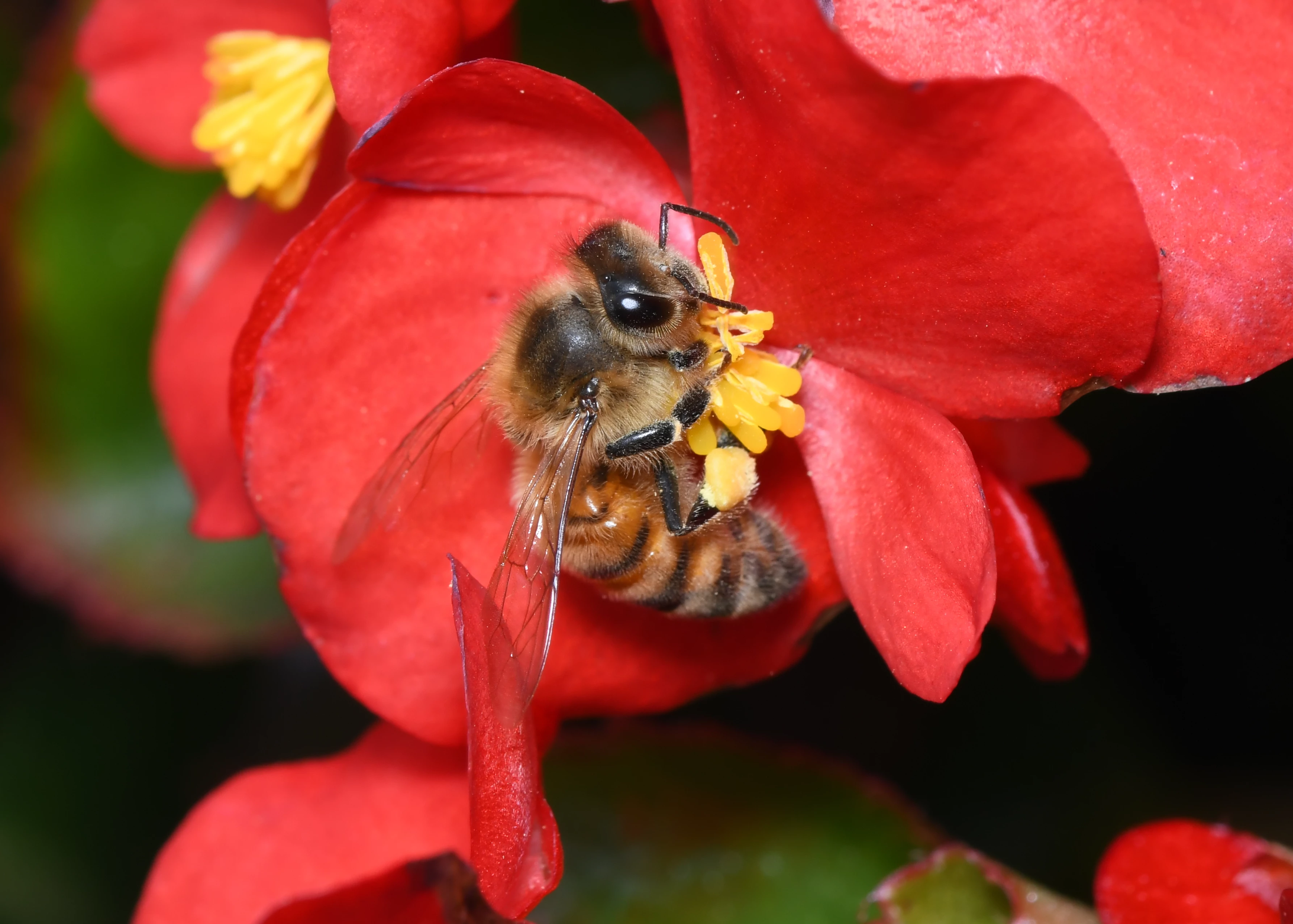
The picture is great and should have been accepted. However I had also such refusals on plant pictures because of the dust particles. I suggest you stamp out some of the dust on the flower and correct defects like this:

You may also weaken some of the reflection and resubmit.

ABAMBO | Hard- and Software Engineer | Photographer
jacquelingphoto2017
Community Expert
Community Expert
April 18, 2019

Dust particles should not be an issue except it is on the lens of the camera. I specialize in plant photos. My photos are taken in windy dusty area. I don't dust the plants or fruits before a photo shoot, and I don't despot any of my plant, flower or fruit photos. I don't get refusal for dust for any of these images.

Regards

JG

Abambo
Community Expert
Community Expert
April 18, 2019

I agree! Dust on the plants are normal, but I had rejections too. After editing out the dust and "repairing" the blossom, they passed. But it was very probably also a different approver.

I have also plants that passed with the dust. And I think the dust is normal here.

ABAMBO | Hard- and Software Engineer | Photographer
jacquelingphoto2017
Community Expert
Community Expert
April 17, 2019

Hi kallen,

Magnify your photo to 100% and inspect carefully. You will notice that the hairy part of the bee face is very grainy as in this magnified clip. While the light in the bee eye is not artifacts, it could be a cause for a second rejection under technical issues. Also there are some artificial coloring around the edges of the hairs of the bee. In comparison with the rest of the image, the bee is very grainy as you will notice when you magnify to inspect. It is as if your photo was not taken in RAW.

Regards

JG

Ricky336
Community Expert
Community Expert
April 17, 2019

Well, there are signs of something in the reflection of the bee's eye and around the eye:

The reflection here is a bit blocky! So perhaps the moderator was referring to this.

kallen1979
Participating Frequently
April 18, 2019

The large eye on honeybees is a compound eye is basically a Fresnel lens. In honeybees it is called a closed-rhabdom type of eye were a large number of planes focus light towards the receptor cells. This results in a "blocky" reflection of light.

Abambo
Community Expert
Community Expert
April 18, 2019

You're right, Your picture is great in that sense. I love it. But that does not help you to get it into your portfolio...

ABAMBO | Hard- and Software Engineer | Photographer