
Participant
October 7, 2021
Answered

Looking for an Explanation of Image Refusal for Future Reference.

  • October 7, 2021
  • 3 replies
  • 815 views

Hi,

I have begun uploading images to sell on Adobe Stock. I have just had an image refused under the INTELLECTUAL PROPERTY REFUSAL. It is a view of the One World Trade Center from below:
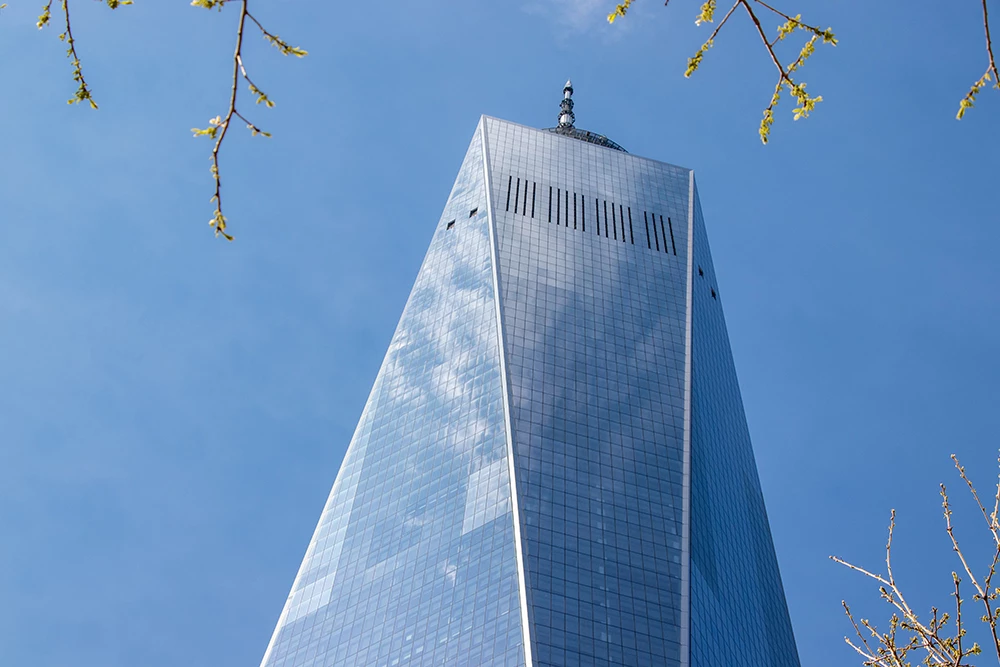

I have looked at the images already available on Adobe Stock and found that the following was accepted:
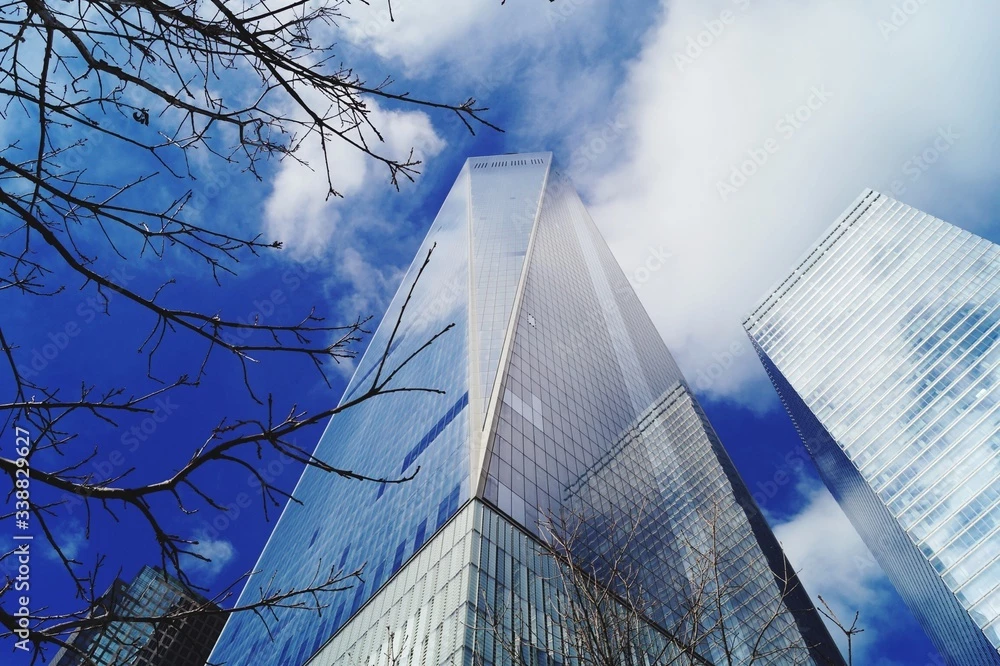

You can see it here:

https://stock.adobe.com/uk/images/low-angle-view-of-one-world-trade-center-with-buildings-against-sky/338829627?prev_url=detail

There's plenty more like this available on the site, and I have had other location or landmark based images rejected on an INTELLECTUAL PROPERTY REFUSAL basis, while able to find similar images avilable on the site. Both under Strandard and Editorial licenses.


I would like to better understand what is and is not acceptable for future reference, but cannot fathom the difference between these two images and others which have been rejected.


Can anyone shed some light on this for me? Is it just a lottery subject to the whims of whoever is reviewing the content? 

This topic has been closed for replies.
Correct answer Abambo

As moderation is done by humans, there are variations in the refusals. However, moderators are more eager to refuse on IP reasons if they have a doubt than to let pass and cause problems later on. As such, it may well be that some of the images you take as a reference should have been refused. Others may have the proper property release.


Editorial use is specific in that sense that you can't use the picture on a commercial basis, but only to illustrate a newspaper article or similar a blog post etc. For this use, the law explicitly allows an exemption from the right of the architect/creator and owner to veto a publication.


3 replies

RALPH_L
Community Expert
Community Expert
October 7, 2021

A refusual is warranted. Most modern architectural designs are protected. Usually, this covers structures that are less than 50 yrs old. If the structure is the dominant feature in the photo (this means if it was removed, the photo would suffer) an IP release is needed. The reviewer made a correct decission.

Participant
October 8, 2021

As I stated, I'm not disputing the decision, only the apparent discrepancy in decisions handed to other photographers of the same building. There are hundreds of like images that made it onto the site. I just can't believe they all obtained IP Releases for the One World Trade Center. 

Legend
October 9, 2021

"I just can't believe they all obtained IP Releases for the One World Trade Center. "

Why can't you believe this? Getting IP releases is a standard part of the task of a commercial photographer, just like model releases. It may also be that some buildings have the position that they want to "get it out there" and make it easy to get a release. Of course, in many cases it will be impossible to even figure out who owns the IP. It won't be the building's tenant. The owner maybe. The architect perhaps. Conceivably the financers, if that was the deal they cut. Not the tenant. Logos and branding have their own owner.

Jill_C
Community Expert
Community Expert
October 7, 2021

As "Test Screen Name" said, it is possible that the photographers of the other instances of this building that are in the database did submit a Property Release; however, that seems rather unlikely. I have found that the application of the "IP rejection" reason is very uneven. I submitted images of the capitol dome of one of the U.S. State Capitols at different times (not all one the same day). Some were accepted, some were not. 

On this page:

https://helpx.adobe.com/stock/contributor/help/known-image-restrictions.html

it says:

CITYSCAPE Photos of the named subject are unacceptable for commercial use. Cityscape, skyline, or vista photos may be acceptable if no single building is the primary subject.

Though later on that page (search for "trade center"), it says NO in the Commercial column which means that commercial use is not allowed for images from those locations. 

Jill C., Forum Volunteer
Participant
October 7, 2021

Thank you for responding, Jill. That link is amazingly useful, so thank you! 

I wondered if there was just some uneveness in the rejection rates. Not much you can do to navigate that, I guess. 

Jill_C
Community Expert
Community Expert
October 7, 2021

I've been resubmitting some of mine which were previously rejected for IP reasons "Illustrative Editorial content", though you can only do that once you have reached 100 or more downloads in your account history.

Jill C., Forum Volunteer
Legend
October 7, 2021

People need your permission to use your IP (photo) in their adverts; this is good. But it works both ways. You cannot make money from someone else's IP without their permission. You need an IP release from the huge IP (building) in your photo. EVERYTHING made by a human belongs to someone, and you can't make money from them without permission except in special cases. 


(Tip: you cannot use another stock photo to define the rules. Perhaps they DID get an IP release. You cannot know).

Participant
October 7, 2021

Thanks for the reponse. I understand that IP releases might be required, but it seems odd to me that everyone who has posted an image of the World Trade Center obtained an IP release. Maybe I'm wrong.