marcoa92752501
Participant
August 4, 2026
Question

Quality Issues... I sent some photos but they were rejected for quality issues but I don't understand why and how I can fix it

  • August 4, 2026
  • 3 replies
  • 23 views

Hi

I sent some photos but they were rejected for quality issues but I don't understand why and how I can fix it

I would like to know the problems and how fix it.

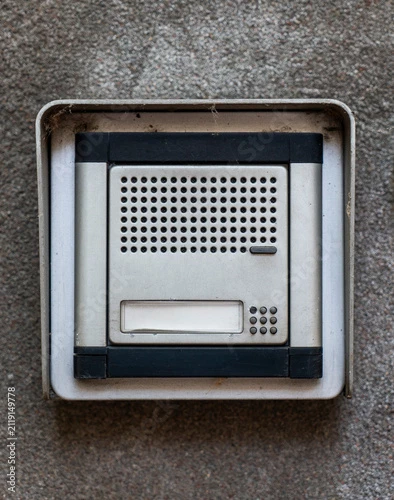
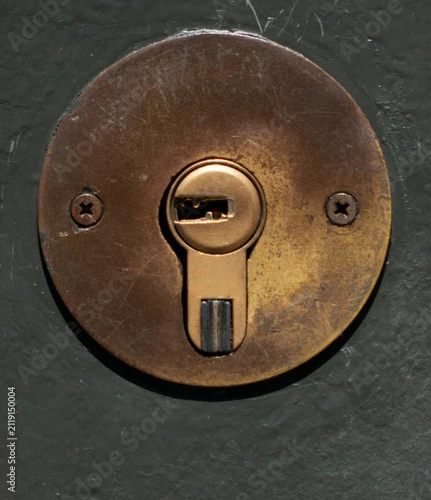
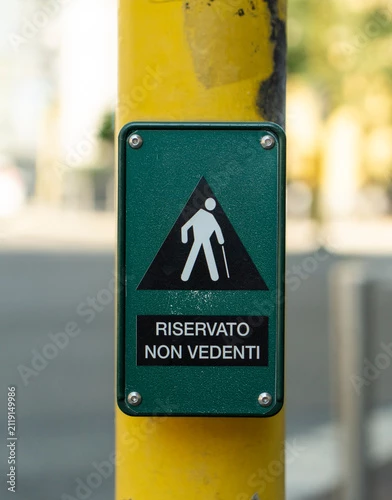
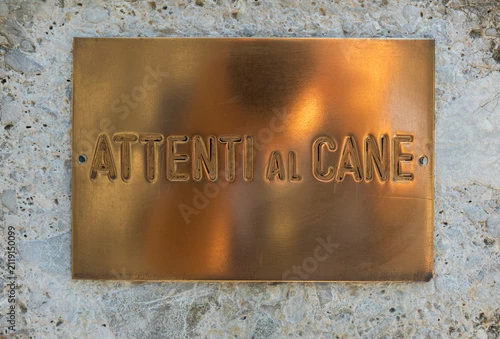
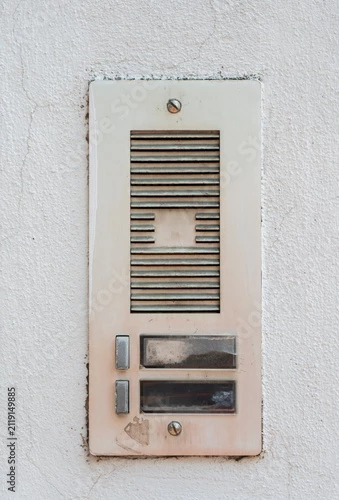
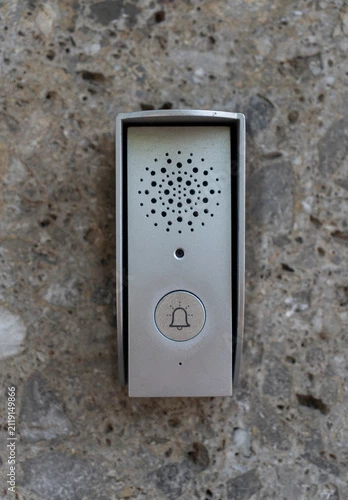
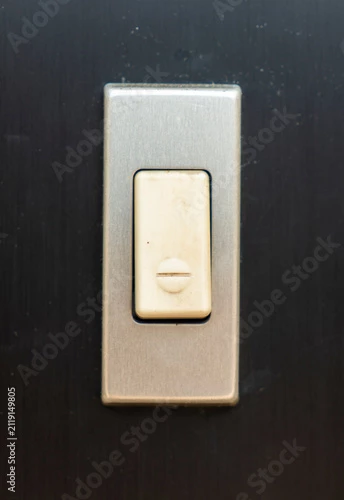
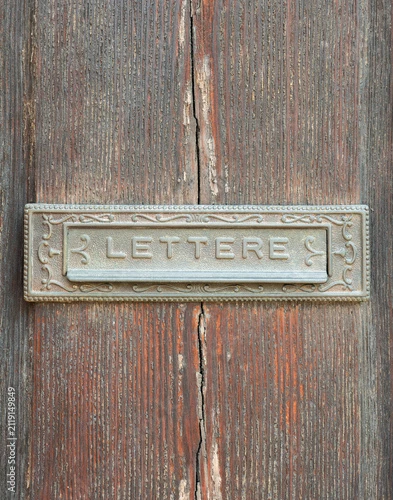
I would attach some exemple in low resolution from Adobe.
 

    3 replies

    Nancy OShea
    Community Expert
    Community Expert
    August 4, 2026

    Composition:

    1. Your images lack much white space for other design elements or text to be added.
    2. Static images are not visually interesting. Dynamic images appeal more to commercial buyers.
    3. Compare your best work with similar Stock inventory. 
      What do these doorbell images have that yours lacks? Colors, texture, design, human interaction, etc...
      https://stock.adobe.com/search?k=doorbell  88.5K results

    Keep in mind, there may be multiple reasons for refusal, but Stock Reviewers stop at problem #1. They can check only one refusal box per submission. 


    Hope that helps. 


    Nancy O'Shea— Product User & Community Expert
    daniellei4510
    Community Expert
    Community Expert
    August 4, 2026

    A few of these appear to lack sufficient contrast.


    Adobe Community Expert | If you aren't submitting your assets in sRGB, you probably didn't read the rules.
    ZALEZPHOTO
    Legend
    August 4, 2026

    Attachments only allow to see color density and composition. I will assume all this photos are razor sharp.

    I’d like to share some thoughts from my photography course with you because I like your shots. Right now in my opinion they would look best printed and mounted on simple frames hung in a row on a wall.

    I can see Adobe Stock accepting many of this shots if they had more space for clients to choose how they want to use them. Right now I want to encourage you to continue exploring doing what you are doing, only adding that shooting for yourself requires a different vision than when you shoot stock.  

    From the Course:

    Important Reality Check: Composition for Stock Photography

    While developing your personal artistic vision is essential, many photographers want to turn their passion into income, particularly through stock photography. This is where composition takes on an extra layer of importance. Shooting stock photography is different from pure personal work. You are not only creating for yourself, you must anticipate the needs of future buyers (advertisers, designers, marketers, and publishers). This commercial reality often means:

    • Leaving negative space for text overlays
    • Shooting both horizontal and vertical versions
    • Creating versatile, clean compositions rather than highly stylized or personal ones
    • Prioritizing universal appeal over purely artistic expression

    In stock photography, strong composition becomes both an artistic skill and a commercial discipline. You learn to balance your creative intuition with the practical needs of the market. That’s exactly why this course is designed as a mentorship, not just for hobbyists, but especially for photographers who want to succeed in stock photography (or who have tried and struggled before).

    We will cover both the artistic side of composition and the strategic, buyer-focused approach that actually sells.

    Commercial vs Fine Art Photography: A Personal Perspective

    You will likely encounter some photographers, particularly in fine art circles who look down on stock photography. They often refer to it as “selling out” and proudly claim they are “above” commercial work. While they are entitled to their opinion, I believe this view reflects a narrow mindset about what photography can be. Photography is an incredibly plural medium. It has room for pure artistic expression, personal projects, documentary work, fine art, and yes commercial photography, including stock.

    One path does not invalidate another. Shooting and selling stock photography is genuinely gratifying. There is real satisfaction in creating images that are used all over the world in advertising campaigns, magazines, websites, and books. It’s a different kind of creative reward: knowing your work is useful, reaches a wide audience, and provides financial support for your passion. Both fine art and commercial photography demand strong composition, vision, and skill. The main difference is intent and audience.


    And For Those Drawn to Pure Fine Art Photography

    While this course gives strong attention to commercial and stock photography, I want to speak directly to those of you who are primarily interested in photography as pure fine art. Your path is equally valid, and in many ways, even more personal.

    Fine art photography is about expressing your inner world, exploring concepts, emotions, and aesthetics without the pressure of commercial appeal. It is often slower, more contemplative, and deeply fulfilling. You are free to experiment, break every rule, and create work that may only resonate with a small but passionate audience, or perhaps with no one else but yourself.

    In this course you will still find tremendous value. The principles of composition, light, and vision we cover are universal. The main difference is intention: instead of anticipating what buyers might need, you are answering only one question:

    “What do I want to say”

    Whether your goal is gallery exhibitions, photo books, personal projects, or simply creating meaningful work for your own satisfaction, the skills and mindset developed here will serve you well. There is no hierarchy between fine art and commercial photography. Both demand creativity, discipline, and vision. Many of the greatest photographers in history moved between both worlds.


    I hope this helps, and that you only feel more motivated to keep enjoying what you’re doing.

    Cheers!

    Francisco

    ZALEZPHOTO