Participant
May 31, 2018
Answered

Rejected because of artifacts

  • May 31, 2018
  • 6 replies
  • 1757 views

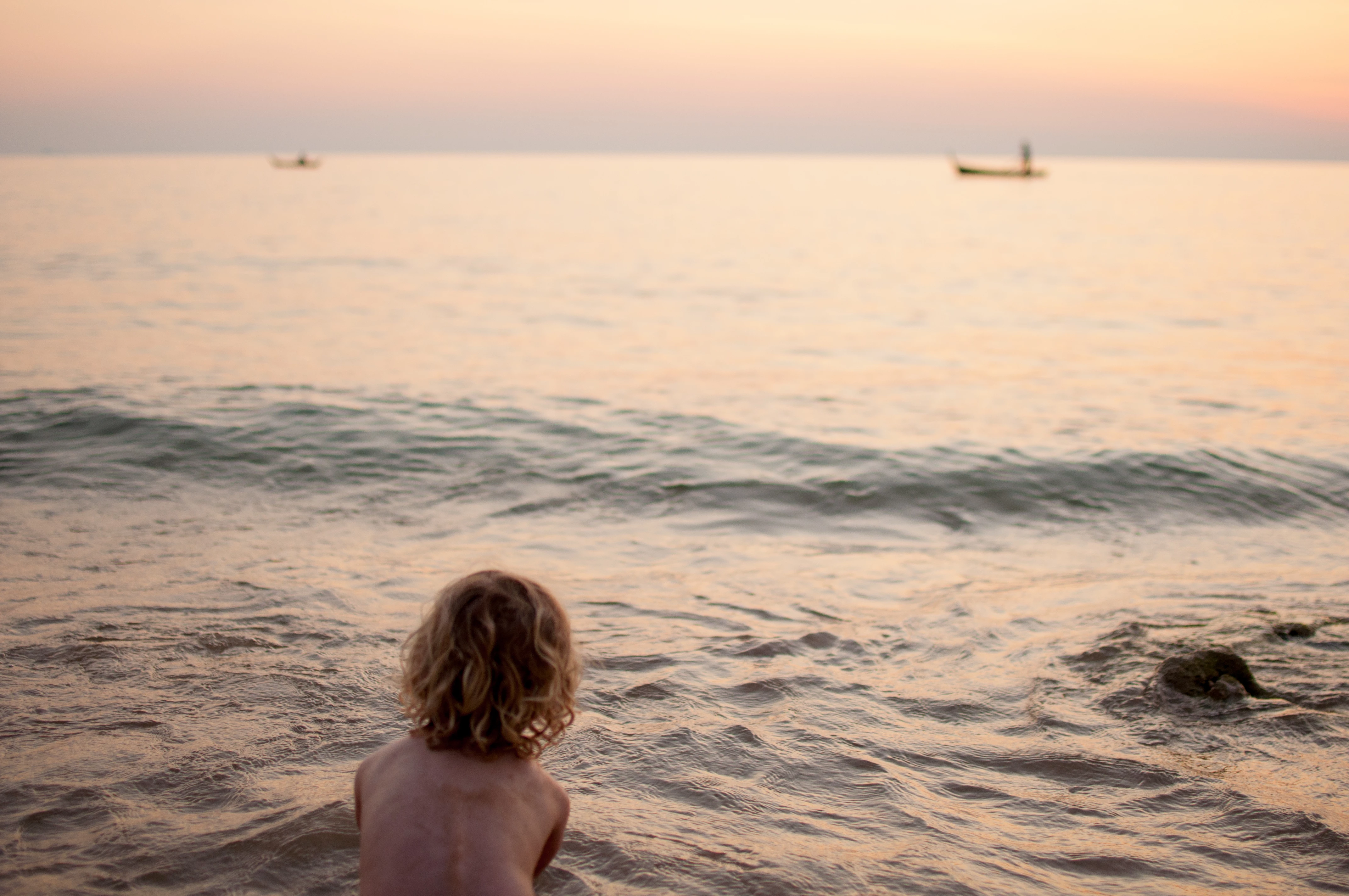
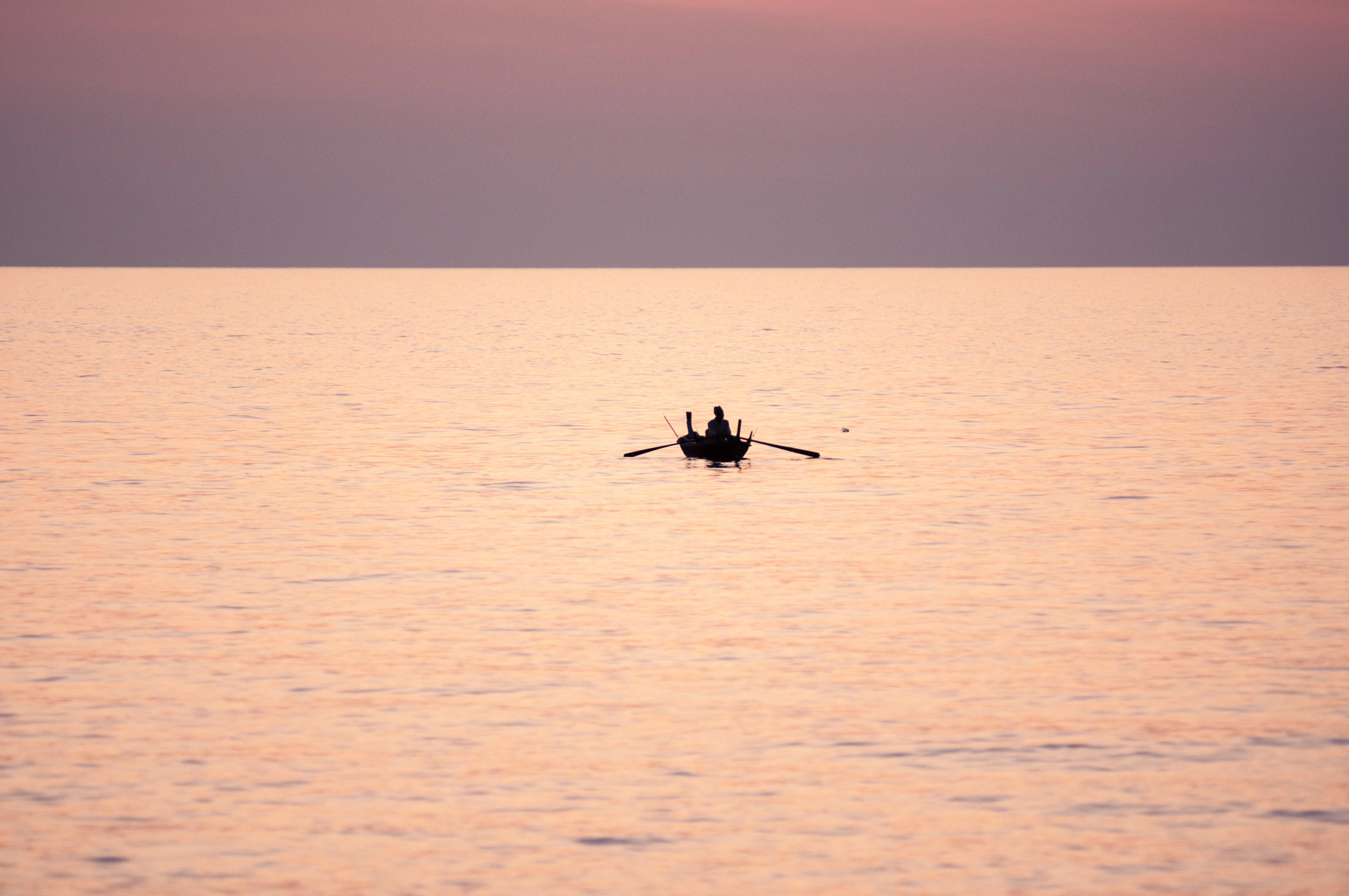
Today a picture of a series in the same light condition was rejected and one was uploaded into my portfolio. Can you tell me where i can spot the artifacts in the  picture with the boy? I thought it is even better than the one, that was not rejected with the boat.

I don't understand how they decide to the one or the other.

This topic has been closed for replies.
Correct answer joanH

In the former photography world printing, a photo at 4feet X 5 feet, was not possible. Any Adobe stock must be able to let a client enlarge and print a photo any size and not show distracting noise. Rethink your past experiences and consider this is not a business that sells standard family snapshots. It is a commercial and professional stock service for professional and commercial customers who expect the best. The customers set the requirements and standards. You decide if you want to sell your work on the Adobe Stock. If you hope to, you must follow the guidelines and standards set by its customers. Perhaps you can benefit from the following offered by Adobe. JH

All the know-how. All in one place. Adobe says:
Download Adobe Contributor Guide for tips on everything from compiling your model releases to composing the perfect image. This free 28 page PDF is what you need on your desktop. Go to Adobe.com

6 replies

RALPH_L
Community Expert
Community Expert
June 28, 2022

Hello @henrietteg71155851 , if you view the boat photo at 200% you can see how noisy the sky is. It is filled with artifacts. Also you can see artifacts around the edges of the boat.

Abambo
Community Expert
Community Expert
June 28, 2022

@RALPH_L You're answering a post from 2018, that get's regularily touched up. I'm not sure that Henriette still needs advise on this. 😉

ABAMBO | Hard- and Software Engineer | Photographer
Participant
June 28, 2022

it's beautiful by the way

Participant
June 28, 2022

My guess is that no one looks at your photos at all until the AI, rejects or approves it, if the image has too noise or if it thinks the focus is not in the correct area, it just boots it right away, you could try shuttershock, for ones that are rejected.  I'm experimanting with photos that are rejected here and seeing if they will take them.  The only problem is they are taking forever to tell me, it took two and half days for half of my photos to be rejected and now the other pictures are in limbo.  I think because shutterstock is a lot cheaper for clients and they pay less, the AI is set to a lower standard, but it's a lot quicker and will give you an idea why the AI rejected your pictures on the platform.  

Abambo
Community Expert
Community Expert
June 28, 2022

There is no AI involved, all vetting is done by humans. The pictures above were refused for reason. They may be nice to look at, but do not meet the quality standards required. 

ABAMBO | Hard- and Software Engineer | Photographer
Ricky336
Community Expert
Community Expert
June 2, 2018

It can be hard to work out why one was accepted and the other rejected - as in this case.

I agree with v.poth though. You can see noise in the sky area of the picture. So, if possible use a tripod and low ISO in such conditions, but I also realize that you may not always have a tripod with you, then you have to make do with what you have got. But always keep this in mind - especially if you want to upload for stock. For your own purposes, it doesn't matter, but for stock - it does! (At least for Adobe Stock - usually).

henrietteg24415173
Participant
June 3, 2018

I had the same questionable thing with the portrait of an owl in dawn-light, it was not possible to use a tripod in that case, because meeting animals is just good luck - i won't waste my time setting up any complicated gear and than missing my subject. Moreover even with a 70-200 mm lens of f 2.8 constant aperture, i could not use iso 100 in the late evening.

However, i had several shots of the owl with the exact same light conditions. One was taken by Adobe, one was not. I took it with a shrug.

The same is with the picture of the boy. Kids won't wait and run all the time, the sun was already set, so it is almost dark. And if Adobe doesn't accept scenes like that, it is okay. Only i don't understand why grain is such a problem today. Because it wasn't for a long time in photographic history. That seems to be a question of taste in my eyes. And if pictures of hard conditions don't fit to Adobe, than i won't bother them with my view of things ;-)

duns12317219734
Known Participant
February 23, 2021

In the former photography world printing, a photo at 4feet X 5 feet, was not possible. Any Adobe stock must be able to let a client enlarge and print a photo any size and not show distracting noise. Rethink your past experiences and consider this is not a business that sells standard family snapshots. It is a commercial and professional stock service for professional and commercial customers who expect the best. The customers set the requirements and standards. You decide if you want to sell your work on the Adobe Stock. If you hope to, you must follow the guidelines and standards set by its customers. Perhaps you can benefit from the following offered by Adobe. JH

All the know-how. All in one place. Adobe says:
Download Adobe Contributor Guide for tips on everything from compiling your model releases to composing the perfect image. This free 28 page PDF is what you need on your desktop. Go to Adobe.com


But if it was printed for example billboard size may be printed at 60dpi to be viewed at about 10ft away.  this makes the M.P. size of a photo largely irrelevant and noise/artifacts problems they reject for on here wouldn't be seen. They just need a good reason to reject photos so they don't get too many submissions. It's easier to reject for tecnical than for say composition aesthetics etc.I'm pretty sure they do that on 'S'

v.poth
Inspiring
June 1, 2018

Hi,

I am surprised that the picture with the rowing boat was accepted because it also shows strong image noise.

Also the picture with the boy contains image noise and is well recognizable e.g. on the waves.

Under such light conditions, a higher ISO than 100, in this case ISO 320, can very quickly become noticeable as noise in the image, depending on the camera. Too much image processing can also produce/amplify image noise (e.g. too much sharpening).

As far as the image sharpness is concerned, only a very small depth of field can of course be achieved with an aperture of 2.8.

In order to get a better grip on the light situation, a tripod should be used to reduce the ISO number in order to avoid possible image noise and to close the aperture further for a greater depth of field.

Greets,

v.poth

joanH
Inspiring
May 31, 2018

Did you examine the photo with the boy at 100 or 200 % magnification?  The other misty silhouette of the boat, accepted, will most likely be used as background for something placed in the foreground - it helps to set a mood for the finished work. The boy, however, is the central figure and the customer would have to work on it and the artifacts problem. If you crop the photo at the large blurred wave, you might have something to offer, however, you will need to study this at high magnification. It might not be sharp enough, focused.

Have you noticed next to this page, on the upper right, there are similar questions answered "MORE LIKE THIS".  Just click on them to read them. You could find an answer that helps with your question because other contributors have had your same problems understanding rejection. Best regards, JH