Participant
May 31, 2018
Answered

Technical error?

  • May 31, 2018
  • 1 reply
  • 629 views

Hello, can you help me find out what that could be: "it contains one or more technical issues" Tx! B

This topic has been closed for replies.
Correct answer v.poth

Hi,

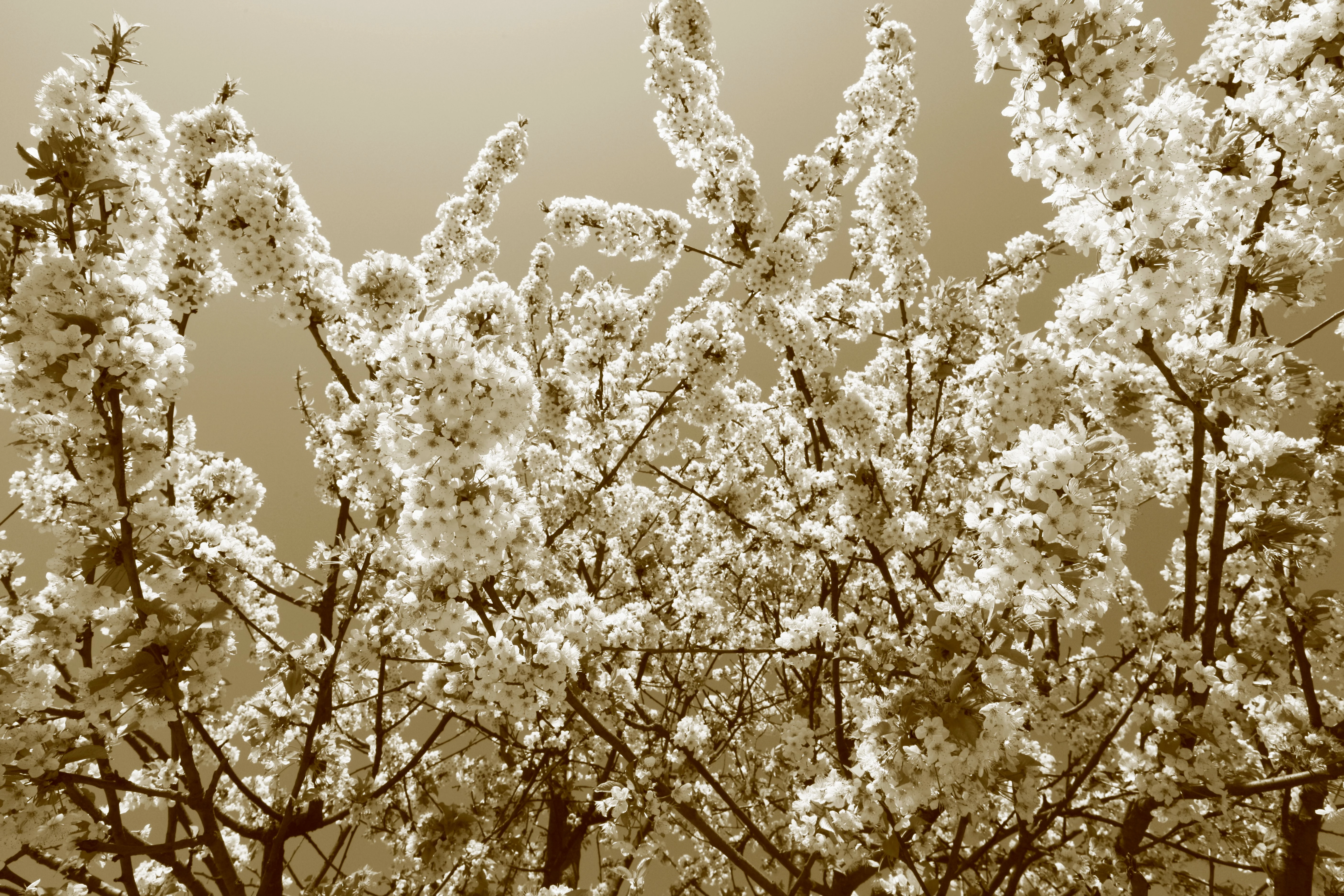
I think two aspects of the technical rejection are clearly visible here:

White Balance: too warm

Contrast. not enough

Furthermore, the image section may be too narrow for the selector.

The depth of field is sufficient for the image, I think.

In general, however, one should note that an aperture of 16 does not always guarantee sufficient depth of field. The distance to the object being photographed plays an important role here. The closer the lens is to the object, the smaller the depth of field. With 22mm focal length you were surely quite close to the object to be able to reach this image section and the depth of field is accordingly less than if you had stood further away.

It also plays a role which lens one uses, since these provide different sharpness results and from a technical point of view a possible "diffraction blur" already starts from the aperture of 16.

This only as supplementary information.

Greets,

v.poth

1 reply

joanH
Inspiring
May 31, 2018

Hi,

Picture rejected - TECHNICAL ISSUES.

This means that more than one problem exists in the picture. This also means your handling of the photo somehow did not conform to theAdobe Guidelines.  A buyer can change a color photo to sepia tone or black and white if they want to.

A friend said that if you want to sell stock to Adobe don't change the original color no color. Just discover how to present an excellent photograph to get it accepted.

This is a nice photograph of spring blooms - the natural color would be better. I think cropping this higher and allowing the upper branches to reach into the sky right to the tips is more interesting than so many intersecting limbs of brown. A light blue sky behind the flowers can be used by a customer as a kind of wallpaper for an ad or model.

The next thing is you must look closely at this photo - see it at 100% magnification you will see the other problem, areas that are not in focus or blurred. Exposure should also be adjusted to take advantage of the contrast with dark and highlights.

You can find many photos of flowers like this in Adobe stock - you will see some show stoppers and very unique contributions - so yes, Adobe has enough nice photograph of spring flowers but they want something different and better quality.

This photograph is a good one to take to Photoshop camera raw,  and Lightroom to play with it. Learn how to create magic.

I always tell new contributors to read everything in the guidelines for Adobe stock contributors. See it here. Best regards, JH

For  you to be able to achieve better image results and get offerings accepted into Adobe Stock go to   https://helpx.adobe.com/stock/contributor/user-guide.html

Participant
May 31, 2018

OK, thanks for the explanation. Just about colors - it's originally shot like that. and focus or blur - with this settings 1/320 sec. f/16 22mm I'm not sure it can be more in focus; there is great DoF ...

best, bojan

Participant
June 1, 2018

Hi,

I think two aspects of the technical rejection are clearly visible here:

White Balance: too warm

Contrast. not enough

Furthermore, the image section may be too narrow for the selector.

The depth of field is sufficient for the image, I think.

In general, however, one should note that an aperture of 16 does not always guarantee sufficient depth of field. The distance to the object being photographed plays an important role here. The closer the lens is to the object, the smaller the depth of field. With 22mm focal length you were surely quite close to the object to be able to reach this image section and the depth of field is accordingly less than if you had stood further away.

It also plays a role which lens one uses, since these provide different sharpness results and from a technical point of view a possible "diffraction blur" already starts from the aperture of 16.

This only as supplementary information.

Greets,

v.poth


Thanks for the info about "diffraction blur"

Lens was Canon 16-35mm 2.8 L II USM and WB under Sepia filter was probably on Clouds

Best,B