


Known Participant
April 22, 2023
해결됨

Warum wurde dieses Foto abgelehnt?

  • April 22, 2023
  • 6 답변들
  • 2648 조회

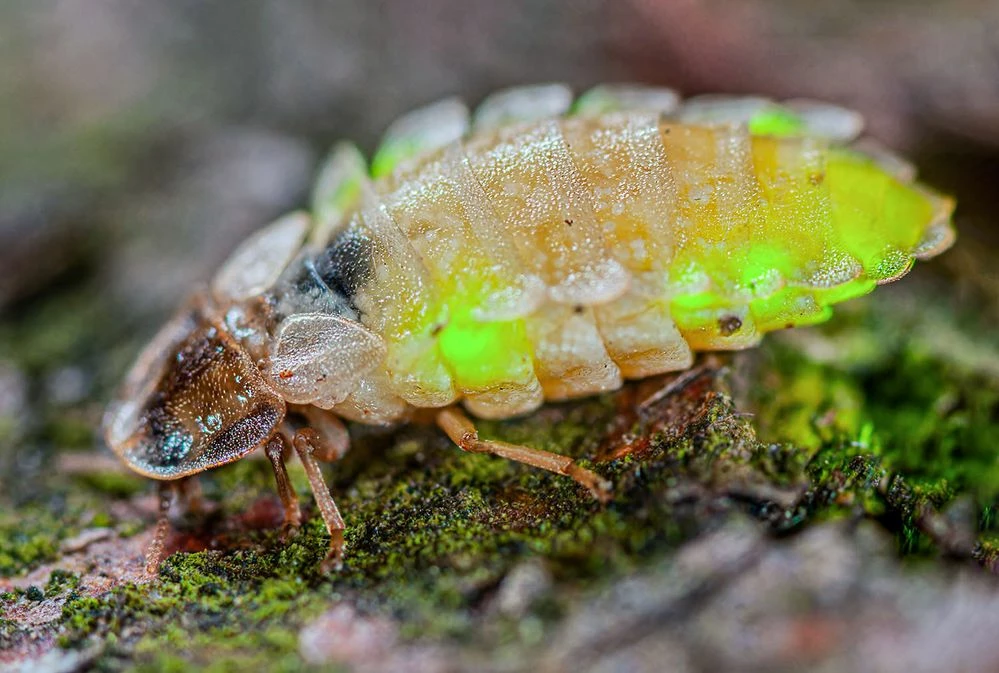
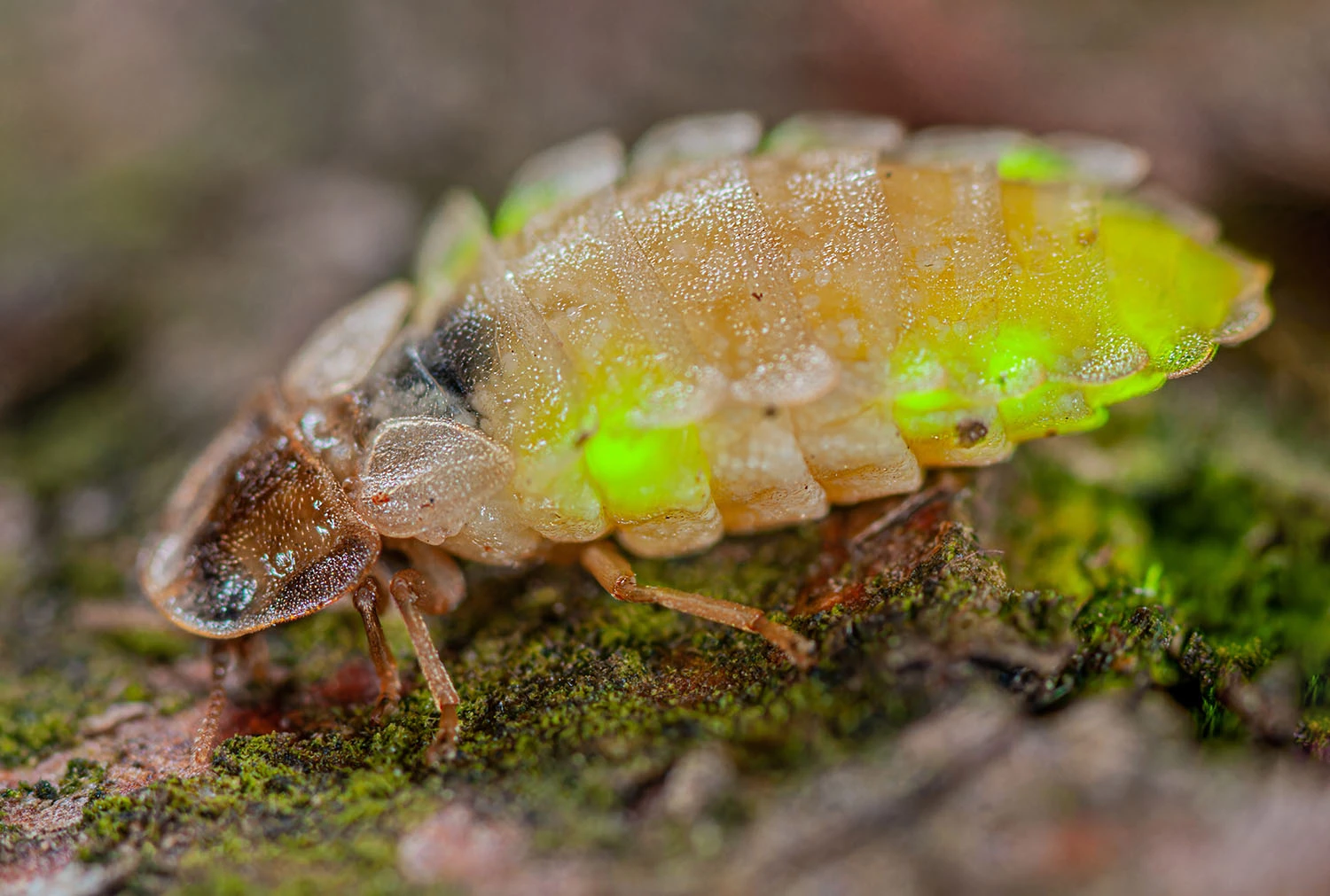
Dieses Foto (die ganze Serie) wurde wegen Qualitätsproblemen abgelehnt, obwohl es, den Aufnahmebedingungen entsprechend, sehr gut fotografiert wurde!


Diese waren: Das Foto entstand in der Nacht bei völlige Dunkelheit, das einzige Licht wurde vom Leuchtkäfer erzeugt! Genau das wollte ich dokumentieren!

Das Foto ist ein Naturdokument, es geht nicht besser!

Die Belichtungszeit betrug aufgrund der Dunkelheit bis zu 10 Sekunden, der grüngelbe Farbstich kommt durch das vom Insekt erzeugte Licht! Ich habe extra auf eine künstliche Lichtquelle verzichtet um genau das zu dokumentieren!


Ich habe bei Adobe Stock kein vergleichbares Foto vom kleinen Leuchtkäfer in dieser Qualität gefunden! Solche Fotos werden gesucht und lassen sich gut verkaufen!


Meine Kritik richtet sich an die Adobe Bildbewerter! Man kann diese Fotos nicht mit Fotos, die geblitzt oder bei Sonnenschein fotografiert wurden vergleichen! Man sollte das Motiv und die Umstände des Fotos erkennen und das Foto entsprechend eingliedern! Das ist hier nicht der Fall!


Solche Fotos sind Tagsüber unmöglich zu machen! Das Licht muss genau so sein! Weiter Abblenden war nicht möglich! Ein heller Blitz hätte das Leuchtkäfer Licht überlagert!
이 주제는 답변이 닫혔습니다.
최고의 답변: Ricky336

Hello,

I know about bioluminescence, and I also know how light is measured in colour temperature and how that influences photos. The camera sensor does not record light in the same way as the human eye. The human eye adapts colour temperature automatically; the camera sensor does not, which is why cameras have WB correction settings. It is the same with film. Filters had to be used to get the colour balance right,  especially in studio work. Correcting the colour temperature doesn't change the accuracy of the light of the beetle. Actually, having the correct colour balance is important to get accurate colours.

Scientists who are looking for real fireflies would also look for a correctly exposed, focused and colour-balanced photo.

I would suggest reading about white balance:

https://www.adobe.com/creativecloud/photography/discover/white-balance.html


You don't have to ask the firefly to adapt its light!

And if you used flash, this would also alter the colour temperature!!

Adobe didn't reject the photo because of the subject, but because of the technical reasons connected with the photo itself!


Compare your example with my example:


Mine


 Yours


However, I'm not a specialist in bioluminescence, but I do know about how light works in photography!

6 답변

Nancy OShea
Community Expert
Community Expert
April 23, 2023

Too blurry for print purposes.  Sorry. 


As one who worked in a media lab at a major university, I know from experience that blurry photos will never be accepted by scientific journals. They want crisp, clean, sharp, well -lit, properly focused subjects. Nothing else will do.  Journal editors don't care how much effort it took or why your image didn't come out perfect.  They only care about results.


It's the same with Stock photography.  If the image can't be used for professional print process, it won't be accepted. It doesn't matter what Contributors think. What matters is what paying customers think. 😉


Nancy O'Shea— Product User & Community Expert
Abambo
Community Expert
Community Expert
April 22, 2023

Die Unschärfe ist ein Problem. Deine EXIF Daten sagen, dass der Blitz ausgelöst wurde. Das könnte die Reflexionen und die chromatische Aberration verursacht haben. Glaube ich den EXIF Daten, dann ist das Bild von 2008, und die Kamera ist eine D300. 2008 war das sicherlich ein Spitzenmodell, aber heute gibt es wohl besseres Material. Dementsprechend wird das Bild auch nach heutigen Kriterien beurteilt. Und für die ist das Bild nicht gut genug. 2008 wäre es sicherlich in die Datenbank gekommen.


quote

Meine Kritik richtet sich an die Adobe Bildbewerter! Man kann diese Fotos nicht mit Fotos, die geblitzt oder bei Sonnenschein fotografiert wurden vergleichen! Man sollte das Motiv und die Umstände des Fotos erkennen und das Foto entsprechend eingliedern! Das ist hier nicht der Fall!


By @jürgenk50715479

Die Bildbewerter bewerten die Bilder nach ihren Vorgaben. Da gibt es kein „ein solches Bild kann man nicht besser machen“. Wenn sie in anderen Datenbanken angenommen werden, musst Du Deine Käfer da verkaufen. Adobe Stock hat die Bilder abgelehnt und ich sehe nicht, wie man das Bild so bearbeiten kann, dass es besser ist.

ABAMBO | Hard- and Software Engineer | Photographer
Ricky336
Community Expert
Community Expert
April 22, 2023

Hello,

I really don't think it has anything to do with the type of subject or for the reasons that you think. The most obvious reason is that the depth of field is too small. The whole beetle should be seen, not just its central body. Isn't the beetle itself also important, and not just the light it produces in its tail? The whole beetle should be sharp. In my view, the reason for rejection is the focus.

And although you may disagree, the white balance is also incorrect. The white balance can be corrected without changing the colour of the beetle's light.

Known Participant
April 23, 2023

Glühwürmchen gehören zu den Tieren die Licht durch eine chemische Reaktion erzeugen, die Biolumineszenz!

Das Foto gibt genau dieses natürliche, vom Käfer erzeugte Licht wieder!

Leider konnte ich den Käfer nicht bitten sein Licht den Adobe-Vorgaben anzupassen!

Warum soll ich für Menschen, die das nicht wissen und keine Ahnung von Biolumineszenz haben, verfälschen?


Der angehängte Screenshot zeigt was bei Adobe Stock unter Biolumineszenz gefunden wird.

Die meisten Bilde sind Fantasieprodukte und machen keinen Sinn! Herzlichen Glückwunsch Adobe!


Bildredakteure, die authentische Fotos suchen und die ernsthaft gute wissenschaftliche Fotos suchen, ohne lange zwischen Fantasiebildern suchen zu müssen werden einen Bogen um Adobe Stock machen! Zu viele falsche Bilder, zu viele falsch beschriftete Bilder, zu viele falschen Treffer, Zeitverschwendung!


Aber:

Ich gebe auf!!! Ihr habt alle Recht! Ich habe keine Ahnung und kann nicht fotografieren!! Und der Käfer macht das falsche Licht!

Ricky336
Community Expert
Ricky336Community Expert답변
Community Expert
April 23, 2023

Hello,

I know about bioluminescence, and I also know how light is measured in colour temperature and how that influences photos. The camera sensor does not record light in the same way as the human eye. The human eye adapts colour temperature automatically; the camera sensor does not, which is why cameras have WB correction settings. It is the same with film. Filters had to be used to get the colour balance right,  especially in studio work. Correcting the colour temperature doesn't change the accuracy of the light of the beetle. Actually, having the correct colour balance is important to get accurate colours.

Scientists who are looking for real fireflies would also look for a correctly exposed, focused and colour-balanced photo.

I would suggest reading about white balance:

https://www.adobe.com/creativecloud/photography/discover/white-balance.html


You don't have to ask the firefly to adapt its light!

And if you used flash, this would also alter the colour temperature!!

Adobe didn't reject the photo because of the subject, but because of the technical reasons connected with the photo itself!


Compare your example with my example:


Mine


 Yours


However, I'm not a specialist in bioluminescence, but I do know about how light works in photography!

RALPH_L
Community Expert
Community Expert
April 22, 2023

Sorry, but your photo is not focused well enough. You need a smaller arpeture.

Legend
April 22, 2023

Adobe Stock is not a specialist library. Adobe's photo reviewers are not trained in beetles, nature or any specialist subject beyond image analysis. They simply apply the same rules to all pictures, and there is no way to contact a moderator, and no way to appeal. The difficulty or rarity of the picture is not a consideration. If you had discovered a surviving thylacine in urban Tasmania, and captured a photo after 5 days hidden in a phone box, they would be evaluated just like every other picture, and rejected if out of focus. It may be, therefore, that the lampyridae cannot ever be the subject of Adobe Stock, which is sad. Especially as Adobe just launched a service called "Firefly".

Known Participant
April 22, 2023

Genau so, wie Sie es schreiben, ist es leider! Vielen Dank für die ehrliche aber traurige Antwort.

Henrik Heigl
Community Expert
Community Expert
April 22, 2023

Hallo,


dieses Foto ist aussenherum zu unscharf. Es mag sein, das ein Foto an sich und im Auge des einzelnen Betrachters oft auf den ersten Blick gut aussieht. Allerdings sollte man immer vor Augen haben, das solche Bilder in der Werbeindustrie, etc. verwendet werden möchten und hier andere bearbeitungsmaßstäbe vorherrschen.

Schau Dir die entsprechenden Links an und befolge die Vorgaben genauestens dann sollte das auch mit den Fotos besser klappen.

https://helpx.adobe.com/stock/contributor/help/reasons-for-content-rejection.html
https://helpx.adobe.com/stock/contributor/help/quality-and-technical-issues.html

https://helpx.adobe.com/stock/contributor/help/photography-illustrations.html
https://helpx.adobe.com/stock/how-to/tips-stock-image-acceptance.html

Hoffe das hilft Dir weiter.


regards,Henrik
Known Participant
April 22, 2023

Nein, das hilft mir leider überhaupt nicht weiter!!!

Nocheinmal: Technisch ist dieses Foto NICHT besser zu machen!

Selbstberständlich ist das Foto "aussenherum unscharf"!!!

Es geht nicht um aussenherum! So ein Quatsch!!! Das Hauptmotiv ist der weibliche, selbstleuchtende Käfer!!! Eines der wenigen Tiere an Land die eigenes Licht erzeugen! Genau das wollen Zeitschriften und Umweltverbände sehen!!!Wozu schreibe ich einen Umfangreichen Text wenn dieser nicht gelesen oder Verstanden wird?? Das Problem: Es gibt hier zu wenige Fachleute die sich wirklich auskennen, erkennen was sie sehen, und das Bild richtig einschätzen!

Das ist leider Extrem bitter!!!


Und nochmal: Bei Adobe Stock gibt es nicht ansatzweise Fotos von diesem Tier in besserer Qualität! Diese Fotos lassen sich sehr gut verkaufen, natürlich nicht in der "Werbeindustrie"!!!

Henrik Heigl
Community Expert
Community Expert
April 22, 2023

Hallo,


wie gesagt es mag sein, das aus der Sicht des Einzelnen solch ein Makro rein fotografisch vollkommen Ok ist aber eben nach Maßgabe einer Stock Agentur nach den Richtlinien eben nicht den technischen Anforderungen entspricht. Hier werden alle Bilder gleichwertig nach der technischen Qualität beurteilt. Wie Test Screen Name bereits erwähnt hat kann es leider sein, das ein noch so seltener Käfer es nicht in eine Stock Library schafft, weil eben die technischen Gegebenheiten nicht dem Qualitätsstandard entsprechen.
 

regards,Henrik