
ViktorBirkus
Known Participant
February 16, 2018
Answered

How I can understand the logic of this rejection?

  • February 16, 2018
  • 2 replies
  • 1094 views

I respect the job and professional knowledge of editors team, but some times for me is difficult to understand the logic of reasons of rejecting some pictures.

For example:

I made three pictures from one shoot.

Two of that is approved

1. https://stock.adobe.com/images/antique-typewriter-with-a-sheet-of-white-paper-stands-on-a-wooden-table/192359239

2. https://stock.adobe.com/images/antique-typewriter-with-a-sheet-of-white-paper-stands-on-a-wooden-table/192359127

But third, that is identical but has a metal dividers File ID: 192359252 rejected as IMAGE OUT OF FOCUS.
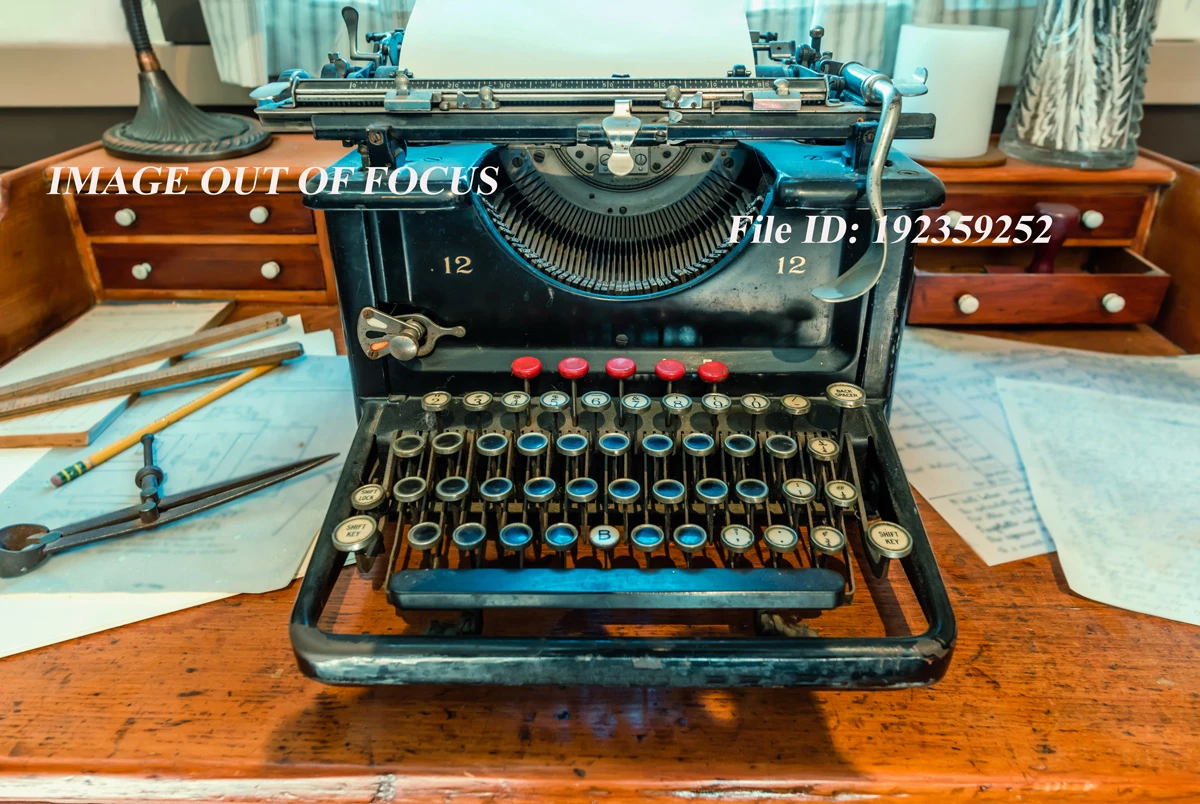
How I can understand the logic of this rejection?

Or other two pictures with one story:

The first picture with focus on the backround is approved: https://stock.adobe.com/images/the-steering-wheel-binoculars-and-a-barometer-on-a-wooden-boat/192358945?prev_url=detail

But the second, with focus on the foreground File ID: 192358965 is rejected as IMAGE OUT OF FOCUS
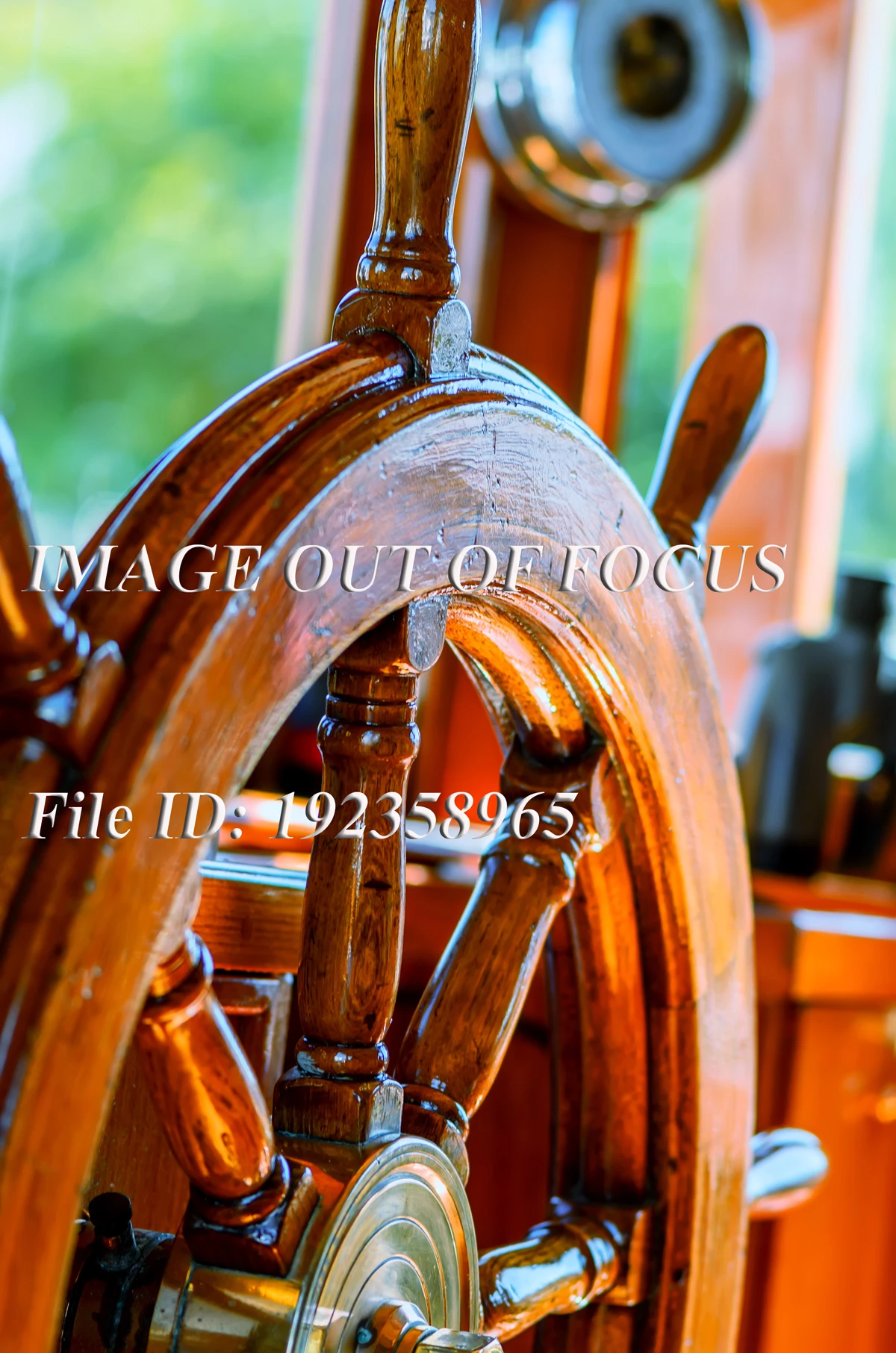
It seems to me that in this case the buyer is deprived of the opportunity to choose between an emphasis on the foreground or background.

This topic has been closed for replies.
Correct answer v.poth

Hi,

Generally speaking, picture agencies are not photography schools in which the offerer should be taught to take the "right" photographs. You can also generally not expect to receive a detailed explanation of the reason for the refusal and possible suggestions for improvement with about 20,000 uploads per day, I think.

There are tutorials and tips of a general nature from Adobe to help beginners, advanced learners and professionals get started.

A personal consultation is certainly not possible here and I don't think it is the job of a stock agency. This would like to market pictures professionally and expects appropriate pictorial material which can be marketed successfully. Here, the image supplier is generally required to meet these demands by optimizing his photographic skills and production in line with the market.

A good thing to make faster progress here is certainly the possibility to use the forum and benefit from the experiences of other providers. But to expect here a detailed instruction for the guaranteed saleability of an image is certainly not possible and you shouldn't expect it.

Greets,

v.poth

2 replies

Ricky336
Community Expert
Community Expert
February 20, 2018

Hi Viktor

I've taken a closer look at your above images and basically, they are out of focus or rather soft would be a better description I think! The wheel photo for example, is not sharp in the centre, but 'soft'. Perhaps, for commercial purposes, the image should be sharper. I am not saying that the whole wheel should be in focus, but a least the main part, Maybe Adobe are looking for a crisp image rather than a soft image. I think the same applies to the typewriter.

I think the buyer would be looking for the same thing as well.

Obviously I can only take an educated guess as to why - I do this with my own rejections. I just relook at the picture in question and see why they rejected it. Sometimes I can fix it - e.g. technical reason or artifacts, but others with 'image out of focus' I leave, because I can't do anything with that and move on!

ViktorBirkus
Known Participant
February 20, 2018

Do I understand correctly what you are proposing, guessing about the reason why two copies of one photograph from one batch are taken and one that is identical in quality is rejected?

Ricky336
Community Expert
Community Expert
February 21, 2018

Proposing, guessing - yes. Not being the reviewer, I can't know what they are thinking. But looking at their rejection reason given, in this case image out of focus, I would conclude that yes, indeed it is out of focus and move on.

v.poth
Inspiring
February 17, 2018

Hi,

if all three pictures were taken with the same camera settings and lens, I can imagine that different selectors have judged the pictures.

It seems to me that the typewriter as the main object is not sharply displayed (frame of the keyboard and space bar in the foreground) and that it has been evaluated with different precision. This can happen when two people independently assess an image.

As far as the images of the steering wheel are concerned, the second rejected image has only a very small area which is in focus. I could imagine that it was not enough for the selector,

Here is a link to the User Guide with an explanation of the reason for the refusal "Out of focus":

https://helpx.adobe.com/stock/contributor/help/quality-and-technical-issues.html

With these criteria listed there, it can happen that they are interpreted subjectively in different ways, I think.

Greets,

v.poth

ViktorBirkus
Known Participant
February 17, 2018

Hi v.poth,

Thanks for your thougths. It seems to me that in what you have said, it makes sense.

You correctly noticed that: "...the typewriter as the main object is not sharply displayed (frame of the keyboard and space bar in the foreground)"

Is the frame of the keyboard and space bar in the foreground important elements?

Unequivocally, that photographing from a tripod and using stacking several images into one, you can achieve a result that is close to ideal. I do not raise the question of the quality of the image itself, it's like everything is not perfect.

But my question was not this, although this is also a question.  

This three pictures are made from one shoot. This is one picture where in one of copy I remove the metal compass, in other of copy I remove the compass and text from the paper and third copy I leave compass and text on the picture. All this I sent for review at a time in one group.

Is it good that two copies of the same image received at the same time are examined by different editors?

On the photos with the typewriter, the question was that one photo in one lot is evaluated in different ways.

About the second picture, thanks for the link into Contributor guide.

I read this:

"Out of focus

When you use motion blur, ensure that the main subject is sharp and in focus.

A shallow depth of field can help draw the viewer’s eye to where you want it to go. Make sure that the depth of field choice is intentional. If you shoot with a wide aperture, depth of field should enhance the photo. Make sure that shallow depth of field does not result in important elements being out of focus. If the image is in focus but lacks sharpness, ensure that any sharpening in post-production does not introduce artifacts."

Is it really necessary that all part of wheel will be totally in focus?

Everything of course is subjective, and this is the right of the editor to decide what is good and what is bad. This also applies to the question of the amount of sharply depicted space in a rejected image with a wooden steering wheel.

If the editor decides that this is not enough for the Adobe site, then so be it. Thanks God there are other opinions.

My question or my problem is not this.

Unfortunately, it is not enough to reread the section of the guidebook: "Out of focus" to fix the work and further widen the shading of the sharply depicted space of the main object.

Now I remember one story from school life.

In one school there were three parallel classes, and in each class there was a different level of academic performance.

One teacher checking the homework gave an assessment and pointed to a textbook on the subject of instruction, where the student could find the answer.

The second teacher - showed what exactly is wrong in his opinion and why.

The third teacher did the same things, but he also showed how he thinks it should be to be correct and also tried to find out why the pupil did so and why.

Which teacher did the results better?

Well, it's in school, but here it's certainly another matter.

Dear v.potn, the above does not apply to you or to your link wich you gave in any way.

The only thing I firmly convinced that the customer-buyer, the photographer-maker and the company Adobe should work in concert as one big team for achieving the best result.

Thanks for reading

:-)

v.poth
v.pothCorrect answer
Inspiring
February 18, 2018

Hi,

Generally speaking, picture agencies are not photography schools in which the offerer should be taught to take the "right" photographs. You can also generally not expect to receive a detailed explanation of the reason for the refusal and possible suggestions for improvement with about 20,000 uploads per day, I think.

There are tutorials and tips of a general nature from Adobe to help beginners, advanced learners and professionals get started.

A personal consultation is certainly not possible here and I don't think it is the job of a stock agency. This would like to market pictures professionally and expects appropriate pictorial material which can be marketed successfully. Here, the image supplier is generally required to meet these demands by optimizing his photographic skills and production in line with the market.

A good thing to make faster progress here is certainly the possibility to use the forum and benefit from the experiences of other providers. But to expect here a detailed instruction for the guaranteed saleability of an image is certainly not possible and you shouldn't expect it.

Greets,

v.poth