

Participant
June 2, 2022
解決済み

two rejections I don't understand

  • June 2, 2022
  • 返信数 2.
  • 301 ビュー

I have just had four photos rejected, two of which I can understand why. However the image of the tram was taken with a very slow shutter speed so that the tram was blurred in movement whilst everything else was kept tack sharp and yet it was rejected for "Technical Faults"? Does that mean that adding blur manipulating shutter speed and exposure time in order to add effect is not allowed? The second image rejected was due to property rights - this was of a sculpture which is known as "Mary's Shell" erected by the council on a public beach and is now a tourist attraction. Why would this infinge on anyone's copyright?
このトピックへの返信は締め切られました。
解決に役立った回答 Test Screen Name

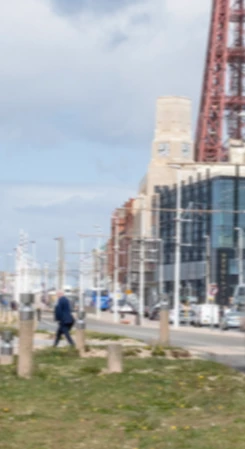
1. The concept sounds good. Adobe will recognise when you have a work that is tack sharp except for carefully controlled motion blur. However, your image certainly isn't tack sharp. Not the grass, not the person (who would need a model release if they actually were sharp), not the tower. Did you use a good tripod? It might be motion or it might just be out of focus. You have of course removed all the metadata. This is allowed, but reduces the chance that experienced photographers can advise you on best use of your kit.

2. Read Adobe's IP rules (which are based on, but stricter than, the law). In no way does putting something in a public place remove its copyright. The artist owns it. Imagine if one of your pictures won a prize, and was on display in a park. Now someone takes a photo with your great prize winning work. Can they sell it? Can it be used in an advert? You'll be happy to hear, no, your work remains protected. There is a widespread myth that any photo you can take from a public place is free of IP. Actually, where you take it doesn't make the slightest difference. (Though taking it in a private place may require additional rights, over and above copyright).

返信数 2

RALPH_L
Community Expert
Community Expert
June 3, 2022

Marys Shell, if that is a piece of art, will also require a property release.

Legend
June 2, 2022

1. The concept sounds good. Adobe will recognise when you have a work that is tack sharp except for carefully controlled motion blur. However, your image certainly isn't tack sharp. Not the grass, not the person (who would need a model release if they actually were sharp), not the tower. Did you use a good tripod? It might be motion or it might just be out of focus. You have of course removed all the metadata. This is allowed, but reduces the chance that experienced photographers can advise you on best use of your kit.

2. Read Adobe's IP rules (which are based on, but stricter than, the law). In no way does putting something in a public place remove its copyright. The artist owns it. Imagine if one of your pictures won a prize, and was on display in a park. Now someone takes a photo with your great prize winning work. Can they sell it? Can it be used in an advert? You'll be happy to hear, no, your work remains protected. There is a widespread myth that any photo you can take from a public place is free of IP. Actually, where you take it doesn't make the slightest difference. (Though taking it in a private place may require additional rights, over and above copyright).